Introduction to Slate Tiles
What Is Slate?
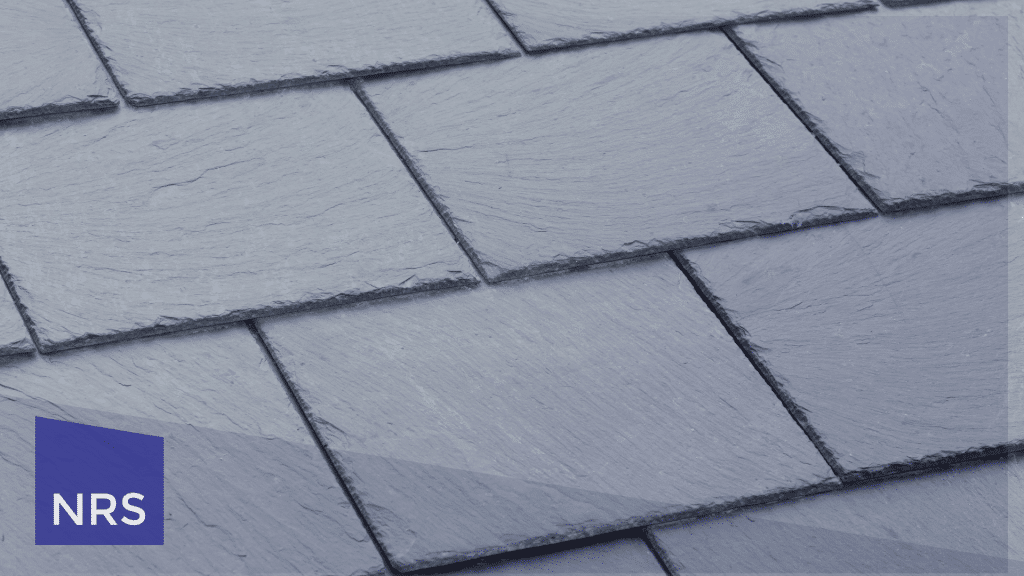
Slate is a fine-grained, foliated metamorphic rock formed from sedimentary shale or mudstone. Through heat and pressure, the layers bond and compact, allowing slate to split cleanly into thin, durable tiles. This property, known as slaty cleavage, is why slate is ideal for roofing and why it is so easily distinguished from other rocks.
Historical Significance and Traditional Uses
Slate has played a key role in architectural history. Evidence of its use dates back to ancient civilisations, where communities in regions like Wales and Spain first exploited local slate deposits. Over time, slate became popular for roofing due to its strength, fire resistance, and ability to provide weatherproof coverings. This rock was not just reserved for practical structures—elegant Gothic Revival homes and grand buildings often displayed the deep colours of slate, symbolising both status and durability. In the Victorian era, its ability to support intricate designs further increased its appeal.
Modern Popularity in Roofing
Today, slate remains renowned for its endurance, distinct look, and environmental benefits. While mass-produced materials like asphalt have become widespread, slate is still chosen for its natural beauty and longevity. Its use has seen a revival among homeowners and architects seeking an elegant, low-maintenance, and sustainable roofing solution. Modern projects appreciate slate’s versatility, suiting both traditional restorations and contemporary designs.
Composition and Properties of Slate
Natural Formation Process
Slate forms through a slow geological process. It begins as shale, claystone, or siltstone deposited in a sedimentary basin. Over millions of years, these fine particles are compacted and buried. With relatively low levels of heat and pressure—conditions typical in regional metamorphism—these parent rocks transform into slate. This change aligns the minerals, creating a sheet-like, foliated structure that lets slate split cleanly along flat planes, a key feature that makes it suitable for roofing applications.
Physical Characteristics
Slate is a fine-grained, homogeneous, and foliated metamorphic rock. It is hard, yet brittle, with a smooth surface and very fine crystals often invisible to the naked eye. The mineral composition is mainly quartz, muscovite, or illite, along with biotite, chlorite, and sometimes minerals like pyrite or hematite. This mineral mix gives slate its durability and characteristic sheen on split surfaces. The density and strength of slate contribute to its resistance to compression, shocks, and bending, making it highly reliable for roofing.
Variety of Colours and Patterns
Natural slate offers a diverse palette of colours and patterns. Common hues include shades of grey, black, blue, green, red, brown, and purple. Variations like mottled purple-green, unfading black, royal purple, and weathered greys occur due to the mineral content and region of origin. Each piece is distinct in shade, veining, and grain, resulting in unique and attractive finishes for roofs.
Durability and Longevity of Slate Tile Roofing
Exceptional Lifespan
Slate tile roofing is recognised as one of the most enduring choices in residential construction. With proper installation and maintenance, a slate roof commonly lasts between 75 and 100 years. In some favourable cases and with consistent upkeep, the roof’s service life can extend well beyond a century, providing protection for several generations.
Wear, Tear, and Load Resistance
Slate’s durability is rooted in its metamorphic origins, giving the stone natural hardness and density. This makes it highly resistant to everyday wear, including the gradual breakdown caused by seasonal changes. The density allows it to handle heavy snow and resist impacts from falling debris. Its structure can support considerable weight without significant risk of cracking or deformation.
Performance in Extreme Conditions
This material stands up impressively to severe weather. Slate tiles do not absorb much water, which helps the roof withstand cycles of freezing and thawing. Slate’s mass also works as an advantage in areas subject to strong winds, holding the roofing in place and minimising uplift. While slate is robust against heavy rain and hail, occasional impact can damage less dense tiles, making regular inspection important.
Weather Resistance Capabilities
Low Water Absorption and Frost Resistance
Natural slate excels in harsh weather due to its low water absorption rate—less than 0.4%—making it highly resistant to frost and freezing conditions. This property ensures that the tiles do not easily crack or spall, even after repeated freeze-thaw cycles. Such resilience is especially important in regions with cold, wet winters, where roofing materials must endure significant temperature fluctuations without degrading.
Performance in Rainy and Snowy Conditions
Slate’s durability extends into rainy and snowy climates. Its dense, non-porous structure prevents water from penetrating the tile. Rainwater runs off efficiently, and the underlying roof remains dry, helping to protect the building’s overall structure. In areas with heavy snowfall, slate’s weight and toughness enable it to remain stable under snow loads and resist damage from hail or driven rain.
UV Resistance and Colour Stability
Unlike many roofing materials, slate resists degradation caused by prolonged exposure to ultraviolet (UV) radiation. Quality natural slate maintains its original colours and does not fade easily over time. This resistance helps keep a roof looking attractive for decades, as well as protecting structural integrity without the need for chemical treatments.
Fire Resistance and Safety Benefits
Superior Fire Protection
Natural slate stands out as a roofing material thanks to its A1 non-combustible classification. This means slate is completely fireproof in its natural state, without requiring extra treatments or testing. As a result, slate provides the highest level of fire resistance—Class A—making it one of the safest materials available for roofing. Slate’s ability to resist flames and heat ensures that even during a fire event, the roof will not contribute to the spread of fire or generate toxic smoke, offering extra peace of mind for homeowners.
Ideal for Wildfire-Prone Areas
For those living in regions at risk of wildfires, slate is an excellent choice. Unlike many synthetic and wooden roofing options, slate does not melt, warp, or ignite under extreme heat. Its structure remains stable, even when exposed to high temperatures, making it a preferred option for homes in fire-prone climates.
Benefits for Home Insurance and Safety
A slate roof’s fire-resistant qualities can provide broader home safety advantages. Insurers may offer lower premiums on properties with slate roofing due to its non-combustible nature and proven protection against fire events. This extra layer of prevention not only protects the roof but also helps in safeguarding the entire property.
Aesthetic Appeal and Design Options
Colour Variety and Visual Impact
Natural slate offers a broad palette of colours, including shades of grey, black, brown, green, and purple. Each tile displays subtle differences in tone, with combinations such as mottled purple-green or variegated red adding depth to a roof’s overall look. This makes every slate installation visually unique and impossible to replicate synthetically. Unlike other materials, slate does not occur in uniform, solid shades; instead, it features evolving veining and mineral highlights, creating a dynamic surface that delivers character and individuality to any building.
Textural Qualities and Architectural Character
The texture of slate tiles further enhances their aesthetic appeal. Many slates possess a naturally riven or slightly uneven surface, which contributes to a tactile, three-dimensional quality. This textural richness provides distinctive shadowing and highlights, especially as lighting conditions change throughout the day. Such features complement both traditional and modern architecture, making slate a flexible choice for various design requirements.
Uniqueness of Each Installation
An important aspect of natural slate is that no two roofs are exactly the same. Each tile carries its own natural story, formed over millions of years. Variations in colour, veining, grain, and sheen ensure that every roof installation has a character that cannot be matched by synthetic alternatives. For homeowners, this means a truly bespoke aesthetic that adds lasting value and kerb appeal.
Installation Requirements and Considerations
Specialised Installation
Proper fitting of slate tile roofing requires skilled professionals. Unlike standard roofing materials, slate tiles must be handled and cut with care. Experienced installers know how to select the right thickness and size for each tile, ensuring a consistent, neat finish. Slates are typically fixed with copper or stainless steel nails. Careful placement prevents cracking and helps tiles shed water correctly.
Structural Support
Slate is heavier than many other roofing materials. A typical slate roof can weigh more than twice as much as asphalt shingles. Due to this, it is vital to confirm that your roof structure can support the additional weight. Older homes or those not originally designed for slate may need reinforcement. Consultation with a structural engineer is recommended before installation begins.
Underlayment and Flashing
A quality underlayment acts as a secondary barrier against moisture, complementing slate’s natural water resistance. Modern practice includes installing a waterproof underlay that extends the life of the roof. Flashing is equally important—metal flashing, fitted at valleys, around chimneys, and along edges, prevents water ingress at vulnerable points. Correctly installed flashing is crucial in avoiding leaks and subsequent damage.

Maintenance and Care
Annual Professional Inspections
Regular inspection is crucial for maintaining the integrity of a slate roof. Engaging a qualified professional to carry out a detailed assessment each year helps to identify any early signs of wear. Inspections typically include checking for loose, slipped, or missing tiles, as well as examining the condition of flashings and guttering. Early detection of these issues helps prevent leaks and reduces the risk of more extensive damage.
Promptly Addressing Damage
When a slate tile becomes cracked, chipped, or displaced, it is essential to resolve it promptly. Selective replacement allows damaged tiles to be swapped out without disturbing the surrounding roofing. This targeted approach maintains the overall water resistance and structural stability of the roof. Ignoring damaged tiles risks water ingress, which could compromise the underlying roofing system.
Cleaning Methods for Slate
Keeping the roof clean helps preserve its natural appearance and prolongs its lifespan. Gentle cleaning techniques are recommended—for instance, using a soft brush to remove debris such as leaves or moss. Avoid high-pressure washers, as these can damage the slate’s surface and dislodge tiles. If lichen or algae growth is present, use mild, slate-safe treatments and rinse thoroughly with clean water. Taking care with cleaning ensures that the slate retains its natural texture and prevents premature deterioration.
Environmental Benefits
Natural Sourcing and Low Processing
Slate is a natural stone, quarried rather than manufactured. Its extraction involves cutting and shaping from stone deposits, with minimal need for energy or chemical processing. This approach keeps the slate’s environmental footprint low compared to many synthetic or metal roofing materials that require high heat, complex fabrication, and chemical treatments. By relying on a simple quarrying and splitting process, slate maintains a low embodied energy, which means there is less energy used in its production, transport, and disposal. As a result, slate contributes less to carbon emissions than most other roofing options throughout its lifecycle.
Reduced Waste and Longevity
One of the main environmental strengths of slate is its remarkable lifespan. Quality slate roofs can last 100 years or more, far outlasting common alternatives such as asphalt shingles, which may need replacing every 20–30 years. This durability means less roofing waste enters landfills over time. Even when a slate roof is removed, many tiles are still usable and often reclaimed for use on other buildings or for creative projects, further extending their utility.
Fully Recyclable Material
Slate tiles are not only durable but also fully recyclable at the end of their service life. Unlike synthetic materials that may end up as landfill, slate can be repurposed or safely returned to the earth without risk of chemical pollution. This makes slate an especially sustainable and environmentally friendly roofing choice.
Common Problems and Solutions
Addressing Cracked or Broken Tiles
Slate roofs, while renowned for their durability, can develop cracks or breaks due to age, weather extremes, impact from debris, or improper installation. Damaged tiles allow water to penetrate, potentially leading to leaks, mould, and structural issues. Hairline cracks may not require immediate action, but larger or displaced tiles should be replaced promptly. The safest and most reliable method is engaging a professional to remove and install a matching replacement, using either the “nail and bib” or “slate hook” techniques to maintain weatherproofing and the roof’s appearance. Attempts at DIY repairs often risk damaging adjacent tiles, so professional assistance is recommended.
Preventing and Repairing Water Damage
Water damage often results from cracked tiles, faulty flashing, or accumulated debris blocking drainage. Signs include stains on ceilings or walls, visible moss, and loose tiles. Regular clearance of gutters and downpipes, along with annual inspections, is vital. In older roofs or after severe weather, timely repair of defects and replacement of worn underlayments reduce the risk of leaks and internal damage. Temporary sealant can be used if repair is delayed, but this is not a long-term fix.
Managing Moss and Lichen Growth
Moss and lichen may initially seem harmless, but their growth traps moisture and hastens tile deterioration. Effective management includes gently brushing loose growth with a stiff broom and applying a biocide or a vinegar solution. Copper wire under the ridge can help inhibit regrowth. Avoid harsh pressure washing, which may damage the tiles. Cleaning should always be performed with care to preserve the integrity of both slates and underlying structure.
Slate vs. Alternative Roofing Materials
Comparison with Other Natural Roofing Options
When choosing a roofing material, natural slate is often compared to alternatives like clay tiles. Both offer excellent longevity and a classic appearance. However, slate stands out for its higher density and unique patterns. Unlike clay tiles, which can be more porous and susceptible to weathering, slate resists moisture absorption, reducing the risk of frost damage and moss growth. The natural colours of slate also resist fading over many years.
Differences from Synthetic Choices
Synthetic roofing products, including synthetic slate, aim to mimic the appearance of natural stone at a lower cost and weight. While these options are easier and faster to install, they often lack the individual variation in colour and texture that makes natural slate distinctive. Durability can also differ: genuine slate can last for a century, whereas most synthetics have a shorter lifespan and may not age as gracefully. Additionally, synthetic options may use plastics or composites, which are less environmentally friendly than quarried stone.
Unique Advantages Over Asphalt Shingles
Asphalt shingles are a common, budget-friendly roofing solution, yet they fall short in durability, sustainability, and aesthetics. Slate’s longevity means fewer replacements over time, leading to less landfill waste. Slate’s fire resistance and low maintenance requirements make it a superior option for those seeking safety and reliability.

Conclusion: Is Slate Roofing Right for Your Home?
Weighing Slate’s Key Benefits and Considerations
Slate roofing stands out for its natural beauty, impressive lifespan, weather resistance, and minimal maintenance needs. A good quality slate roof can last for a century or more, delivering unmatched durability and insulation. Its low water absorption and fireproof qualities add extra protection against environmental hazards. Homes with slate roofs often see a boost in appraisal value due to their visual appeal and longevity, reducing concerns for prospective buyers about future replacement costs.
However, it is essential to assess whether your home’s structure can support the significant weight of natural slate. Not all properties are built for this load, and additional structural support may be necessary. Professional installation by skilled roofers is required, which raises the upfront investment compared to roofing alternatives. Regular inspections are recommended, especially to address minor issues quickly, but slate’s low maintenance requirements can offset the initial cost over time.
Suitability for Climate, Budget, and Design
Slate tile roofs perform well in varied climates, handling rain, snow, and temperature changes without losing integrity. They are suitable for both traditional and contemporary architectural styles thanks to their wide range of colours and textures.
If your budget allows for a higher initial investment and your property can accommodate slate’s weight, this roofing option may offer a resilient and attractive solution for decades.