Introduction to Roof Trusses
What Are Roof Trusses?
Roof trusses are pre-assembled wooden frameworks designed to support the roof of a building. Each truss forms a rigid triangle, which is a strong and stable geometric shape. The truss uses a web of timber elements to distribute loads efficiently. This means the roof weight is spread evenly, making the structure sturdy.
How Roof Trusses Differ from Traditional Timber Roofs
Traditional timber roofs, sometimes called rafters or “stick framing,” use larger individual beams assembled on site. In contrast, roof trusses are constructed in a factory and delivered ready-made. Trusses join smaller pieces of timber in interconnected triangles, which allows them to use less wood while still achieving the required strength. This makes trusses lighter, quicker to install, and less wasteful compared to traditional methods.
The Rise of Trussed Roofs in UK Homes
Trussed roofs have seen a marked increase in popularity in new UK residential builds. Their benefits include reduced cost, quick installation, and efficient material use. Because trusses are prefabricated, site work is faster, minimising construction delays. Homeowners and housebuilders now favour trusses for these reasons, particularly where speed and budget are important.
These advantages have made trussed roof systems a standard choice for new builds in the UK, setting the stage for understanding their types and applications.
Types of Roof Trusses Available in the UK

Standard Fink Trusses
The fink truss is widely used in the UK, especially by national house builders for new build homes. Its characteristic “W” shape inside the triangular frame offers strong support for the roof, making it reliable for most pitched domestic roofs. Fink trusses allow for efficient material use and can span significant distances, which is especially useful for simple, rectangular house layouts. Their design supports both roof and ceiling loads while maintaining a lightweight structure.
Attic Trusses (Room-in-Roof Trusses)
Attic, or room-in-roof trusses, are designed to create usable living space within the roof area. By modifying the standard truss design, these provide an open section in the centre, allowing for a habitable attic or loft room. This approach maximises space without altering a property’s footprint. For homeowners seeking to add an extra bedroom or workspace, attic trusses are a practical option. They also help avoid the costly structural changes involved in converting standard trusses.
Specialist Truss Designs
Beyond standard and attic trusses, specialist truss designs support unique architectural needs. Mono trusses, for example, create a single sloping roof and suit modern extensions or lean-to structures. Other specialist forms include raised tie trusses for added head height, and scissor trusses for vaulted ceilings. These types are chosen to accommodate particular roof shapes, larger spans, or communal areas that require open spaces.
Understanding the common truss types used in UK homes paves the way for exploring how these structures manage loads and ensure roof stability.
How Roof Trusses Work
Principles of Tension and Compression
Roof trusses rely on clear principles of tension and compression to achieve their strength. Each member of a truss either pulls apart (in tension) or pushes together (in compression), depending on its place in the structure. The upper chords typically face compression from the load above, while the lower chords are in tension, stretched by these same forces. The internal zig-zag or diagonal members distribute these forces across the truss, so no single part is overloaded, ensuring stability and strength.
The Significance of the “W” Shape
The widely used Fink truss, recognised by its “W” shape, is especially effective for UK homes. The triangular geometry within the “W” gives the truss both strength and efficiency. Triangles do not deform easily, making them ideal for spreading out forces. The “W” configuration allows the load to travel through multiple paths, reducing the risk of failure and providing good support across moderate spans.
Transferring Loads to the Wallplate
When a load (such as roof tiles, wind, or snow) hits the roof, the truss system ensures this weight is evenly distributed. Forces travel through the web of the truss until they reach the truss ends, where they are channelled down to the wallplates sitting atop the house walls. Special connectors, like metal clips or straps, are often used to fix the truss securely, making sure upward wind forces also transfer safely downwards into the main structure.
Understanding these concepts is key when looking at how trussed roofs are measured and specified for different homes.
UK Building Regulations and Standards

British Standards and Truss Regulations
Trussed rafter roofs in the UK are governed primarily by British Standards and are now designed in line with Eurocode 5 (EC5). Previously, BS 5268-3:2006 set out the code of practice for trussed rafter roofs, covering aspects such as timber strength grades, acceptable materials, and structural design for safety and load bearing. It also provided guidance on the correct handling, site storage and erection procedures to ensure truss stability and safety throughout construction.
The full transition to Eurocode 5 was completed by 2018, modernising standards and focusing on harmonised structural design rules throughout Europe. This change ensures that all new trussed rafter roofs meet consistent, robust safety and performance criteria.
Building Control and Compliance for Homeowners
Before installing trussed roofs, homeowners and builders must gain approval from local building control. The submitted plans must demonstrate compliance with current standards and ensure the correct specification of truss spans, spacing, and bracing. Installations must match the approved designs exactly, with any changes requiring new approval and potentially a revised structural assessment. This oversight ensures roofs are safe and adhere to structural best practice.
Being mindful of regulations at each stage reduces risks and underpins the long-term safety and stability of modern roof structures.
Roof Truss Specifications and Measurements
Spacing Requirements
Roof trusses in the UK are most commonly spaced at 600mm from centre to centre, which is well-suited for typical roof loads. However, where additional strength is needed, trusses may be placed at 400mm or 450mm intervals. The choice depends on the weight the roof needs to support, such as heavier roofing materials or increased insulation loads. Proper spacing is crucial for ensuring the safety and performance of the roof structure. Installers should always follow the spacing specified in the design and approved by building control.
Span Capabilities
Truss span refers to the horizontal distance a single truss covers from one wall to the other. Typical domestic trusses can achieve significant spans, but the exact maximum depends on factors including truss type, pitch, and loading. For double storey extensions or matching existing roofs, key measurements required include wall-to-wall span, overhang length, heel height, and pitch. Ensuring accurate measurement is essential for a correct fit and reliable structural support.
U-Value Requirements
UK Building Regulations set minimum thermal performance standards for roofs, which are expressed as U-values. The U-value measures heat loss, with lower numbers indicating better insulation. Roof trusses must allow for sufficient insulation to meet the current required U-values, helping ensure energy efficiency and comfort in the home. Always confirm that your selected roof truss system and insulation will satisfy these regulatory requirements.
Knowing these specifications ensures the right truss solution is chosen for each project, laying the groundwork for safe and efficient installation.
Benefits of Trussed Roofs

Cost-Effectiveness
Roof trusses offer significant savings compared to traditional timber roofing approaches. Prefabricated trusses use up to 40% less timber, reducing material costs and environmental impact. Trusses are fabricated off-site in controlled environments, which cuts down labour time and minimises on-site waste. As a result, costs for both materials and labour are often much lower than with traditional cut timber roofs. The lighter weight of trussed structures also lessens the demand on supporting walls and foundations, making overall construction more affordable for many homeowners.
Speed and Efficiency of Installation
One of the main advantages of trussed roofs is the speed at which they can be installed. Because trusses are pre-engineered and delivered to site ready for placement, installation is much faster than building a roof from loose rafters or beams. A small team can typically lift and secure trusses quickly, sometimes completing a full roof structure in just hours, which helps keep projects on schedule and minimises site disruption. The accuracy of factory production also reduces the risk of on-site errors and delays.
Strength and Durability
Trussed roofs are engineered to handle substantial loads and span larger distances without the need for intermediate supports. Their triangular design ensures efficient load distribution, contributing to impressive strength and stability. When correctly installed and maintained, trussed roofs reliably withstand wind, snow, and the rigours of the UK climate. Routine inspections and maintenance help ensure their long-term performance and safety.
Choosing a trussed roof provides an economical, fast, and robust solution for residential construction, forming a vital component of modern home design.
Limitations and Considerations
Space and Access Restrictions
Standard trussed roofs are designed with efficiency and stability in mind, but this can mean reduced usable space within the roof void. Their typical “W” or webbed structure often leaves little headroom and restricts movement, making them unsuitable for storage or conversion without further professional assessment. This is an important consideration for homeowners who may plan future loft conversions or hope to use the attic for storage. In most standard truss designs, the configuration simply does not support flooring or regular access without risking the integrity of the structure.
Importance of Correct Bracing
Trusses rely on precisely positioned bracing to maintain strength. If bracing is removed, loosened, or installed incorrectly, the framework can become unstable. This structural vulnerability may lead to roof movement, sagging, or even failure, especially under heavy loads such as snow or strong winds. Therefore, it is essential that only qualified professionals carry out repairs or modifications. Neglecting this risk can compromise the safety and lifespan of the roof.
Planning for Home Improvements
When considering home improvements, such as fitting solar panels, adding insulation, or planning a loft conversion, it is vital to verify whether the existing truss system is suitable. Some improvements may increase the load or require changes to the truss configuration. Engaging with a structural engineer at the start of any project will help to ensure compliance and long-term safety.
Professional guidance is key before making any structural decisions, safeguarding both your home and future project possibilities.
Loft Conversions and Roof Trusses
Why Standard Trusses Are a Challenge for Loft Conversions
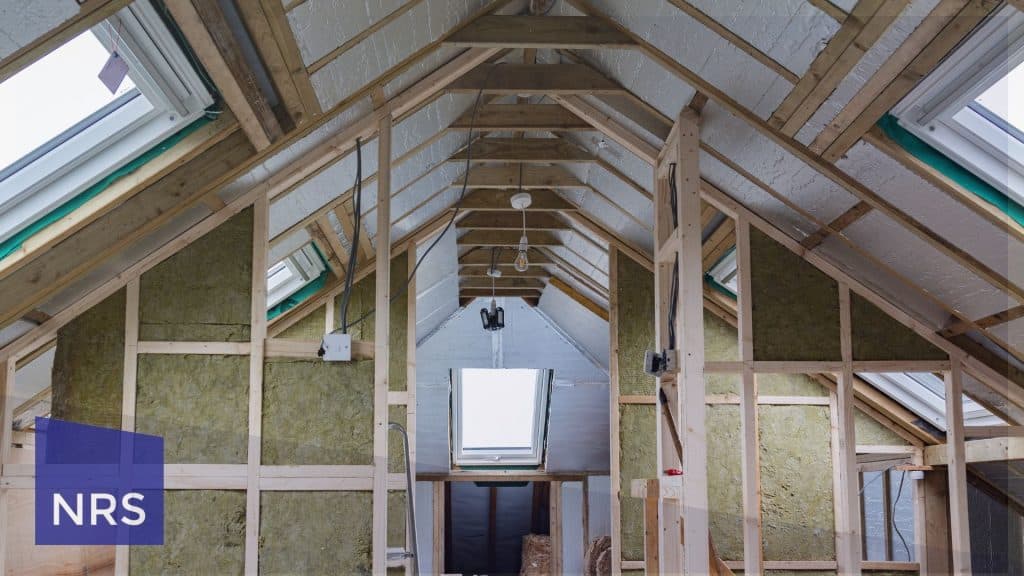
Converting a loft with standard roof trusses can be far more complicated than with traditional rafter roofs. Most UK homes use the “W”-shaped fink truss, designed for efficient load distribution but not for maximising open space. The webs and braces in standard trusses block clear floor and headroom, making it very difficult to use the space for living or storage without significant changes.
The Dangers of DIY Truss Alterations
Many homeowners are tempted to cut or remove sections of trusses to make space. However, this is highly dangerous. Trusses function as a unit. Cutting a web or chord, drilling holes, or otherwise altering them disrupts the load path. This loss of structural integrity can cause sagging, shifting, or even roof collapse. Building control cases have noted several instances where such DIY modifications have led to serious safety issues and invalidated insurance cover.
Purpose-Designed Attic Trusses
For those seeking a loft conversion, purpose-built attic trusses represent the correct solution. Unlike standard trusses, attic (or room-in-roof) trusses are engineered with an open, reinforced centre section. This design provides the necessary headroom and clear floor area while safely supporting roof and floor loads. Although more costly and complex than modifying a standard truss, attic trusses maintain structural safety and comply with building regulations.
A professional approach ensures safety, regulatory approval, and long-term peace of mind for any loft conversion project.
Common Mistakes and Safety Concerns
Risks of Altering Truss Components
Removing web members or bracing from roof trusses is highly dangerous. Each web and brace is vital for supporting the loads the roof must bear. These components handle both tension and compression, distributing force evenly to prevent collapse. If they are removed or altered, even slightly, the roof can become unstable quickly.
Consequences of Improper Modifications
DIY alterations, such as cutting webs to make space in the loft, weaken the whole structure. This increases the risk of sagging and, in severe cases, can lead to partial or complete roof failure. Structural failures may not show immediately but can appear after heavy rain or snow, putting occupants and belongings at risk. Modifications that are not checked by professionals do not comply with building control requirements, potentially voiding the structural warranty.
Insurance and Real-World Outcomes
Improper truss alterations also carry insurance consequences. If a structural failure occurs because of unauthorised work, insurers may refuse to pay for repairs. Many building control cases have shown that unapproved DIY modifications result in costly repairs and legal challenges for homeowners.
Understanding these risks is essential for the safety, durability, and compliance of your roof.
Professional Installation and Modification

Ensuring Qualified Workmanship
Working with roof trusses requires expertise. Always use qualified builders and structural engineers for installation or modification. Professionals will understand structural behaviour and know how to maintain the integrity of the roof. They are also trained to assess health and safety risks during construction.
Consulting Building Control
Before making any changes to a roof truss, you must consult local building control. Building control helps ensure your proposals follow current regulations. They will require you to provide detailed drawings or specifications. This is essential to keep your project compliant and safe.
Safe and Compliant Modification Process
Proper modification involves a clear process:
- Hire a structural engineer to assess the existing truss and design a safe alteration.
- Submit plans to building control for approval.
- Use only experienced contractors to carry out the work.
- All works must comply with approved designs and building regulations at every stage.
Attempting to modify trusses without this process is hazardous and can lead to structural failure. It may also invalidate your home insurance.
Safe installation also means following best practices for equipment operation and safety. For example, multi-blade roof truss saws must be guarded and maintained in line with regulations to avoid accidents.
Qualified tradespeople and compliance with building control are essential components for a secure, long-lasting roof. Frequent communication between homeowners, builders, and inspectors ensures that modifications meet high safety standards.
Storage Considerations for Trussed Roofs
Recognising Weight Limitations
Standard roof trusses are engineered to support only the loads specified in their original design. This generally includes the weight of the roof itself, insulation, plasterboard, and occasional access for maintenance. These trusses are not intended for storing heavy items. Exceeding the design load can cause deflection or, in serious cases, structural failure. Homeowners should avoid placing heavy boxes, furniture, or equipment in these roof spaces. For situations requiring additional storage, a structural engineer can assess if reinforcement or an alternative solution is possible.
Boarding Out Roof Spaces
Boarding out a trussed roof for storage must be approached with caution. Using lightweight boards is essential to avoid adding significant weight. It is also important not to cut or alter any parts of the truss framework to make boarding fit, as this can compromise structural integrity. When boarding, ensure that any insulation required by building regulations remains effective and is not compressed beneath boards.
Access and Safety Practices
Only access the roof space if it is safe to do so. Use secure loft ladders and avoid stepping directly on thin ceiling plasterboard, as it is not designed to support body weight. When walking on a trussed roof, stick to the edges of supported boards and do not disturb bracing or web members. If you need regular or significant storage, consult a professional before making any alterations.
By observing these guidelines, you can maintain your roof’s strength and safety while keeping your home compliant with regulations.
Conclusion and Further Resources
Key Points Recap
Roof trusses offer UK homeowners a modern, reliable solution for supporting residential roofs. They use prefabricated, engineered timber frameworks, making installation quicker and more cost-effective than traditional methods. Trusses are designed with careful consideration of load distribution and are manufactured to meet strict standards, ensuring both strength and durability. However, it is important to remember their limitations: standard trusses are not suitable for heavy storage or unplanned modifications, and improper alterations can compromise safety and insurance.
Finding Professional Help
When considering roof truss projects, always use a qualified builder or structural engineer. Expert advice is crucial, whether you are installing a new roof, planning a loft conversion, or simply seeking guidance on maintaining your existing structure. Many reputable UK companies, such as Truss Form, offer design and installation services with strong customer support and clear communication with local building control authorities.
Regulatory Bodies and Guidance
Adhering to current UK Building Regulations is essential for safety and legality. For detailed information and compliance support, consult:
- Trussed Rafter Association – provides technical advice and standards
- Guidance from building professionals or your local council building control team
With the right knowledge and professional support, roof truss projects can be both safe and successful.
Frequently Asked Questions
Can you convert a trussed roof for a loft conversion?
Yes, but standard W-trusses cannot simply be cut, because the loft space is braced by the truss webs. A structural engineer must design replacement steels or a new floor before any are removed. For a professionally engineered conversion, our pitched roofing team can assess your roof.
How long do roof trusses last?
Properly installed, treated timber trusses last 50 years or more, often the life of the roof itself. Keeping the roof covering watertight is what protects them, as prolonged damp is the main cause of truss decay.
Are roof trusses cheaper than traditional rafters?
Usually, yes. Factory-made trusses use less timber and install far faster than cut (stick-framed) roofs, which lowers both material and labour costs on most new builds and re-roofs.
Do roof trusses need building regulations approval?
Yes. Trussed roofs must meet Building Regulations for structural loading, and any alteration such as removing or cutting trusses requires Building Control sign-off and engineered drawings.