When it comes to roof design, the Mansard roof stands out as one of the most distinctive and versatile styles available. This architectural feature not only enhances the aesthetic value of a home but also offers practical advantages that can significantly impact living space and overall property value. In this blog post, we will cover what a Mansard roof is, explore its historical context, examine its advantages and disadvantages, and compare it with other roof types. We will also provide actionable insights for homeowners and construction professionals interested in incorporating this design into their projects.
Whether you’re a UK homeowner looking to renovate or an architect seeking to expand your design options, this guide aims to provide you with the comprehensive knowledge you need to make informed decisions about roof design.
Understanding the Mansard Roof Design
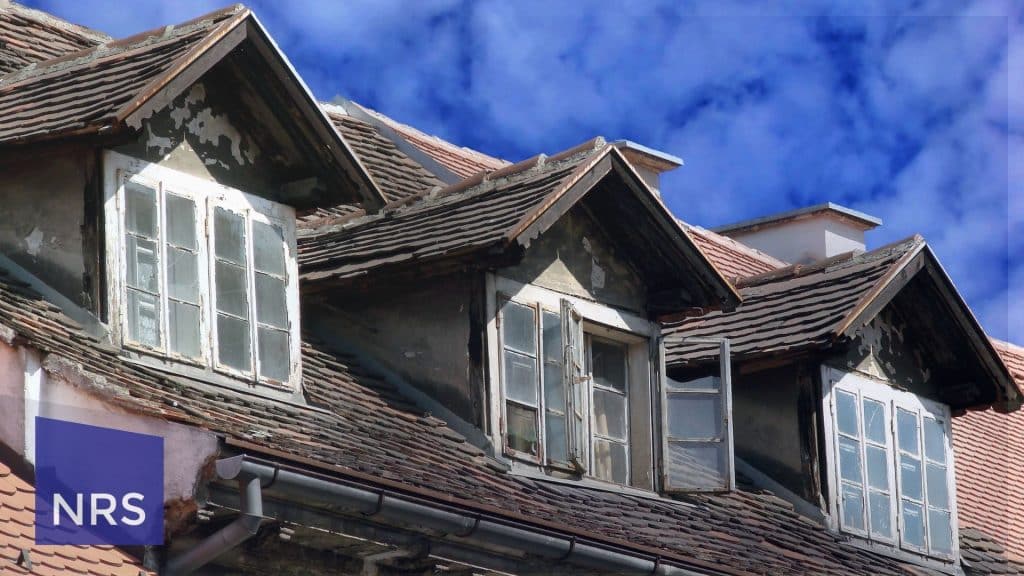
A Mansard roof is a four-sided hip roof characterised by two slopes on each side, with the lower slope being significantly steeper than the upper slope. This design allows for the creation of additional living space in the upper levels of a home, often referred to as a “mansard storey.” The versatility and unique silhouette of the Mansard roof make it a popular choice in various architectural styles, particularly in urban settings where maximising space is essential.
Historical Context
The Mansard roof is named after the French architect François Mansart, who popularised the design in the 17th century. Initially used in French Baroque architecture, the style became synonymous with the elegant townhouses of Paris, particularly during the Haussmann renovation of the city in the mid-19th century. The design’s ability to provide extra living space without increasing the footprint of a building made it an attractive option for densely populated urban areas, a trend that continues in modern architecture.
Typical Characteristics
The typical characteristics of a Mansard roof include:
- Four Slopes: Each side of the roof has two slopes, with the upper slope being gentler and flatter than the lower slope.
- Steep Lower Slope: The lower slope is steep and often features dormer windows, which allow natural light to enter the upper levels.
- Flat Upper Slope: The upper slope is less pronounced and may even be flat, which can create a usable rooftop space.
- Versatility: The design can be adapted to various styles, from traditional to contemporary, making it suitable for a wide range of architectural applications.
Understanding these characteristics is crucial for homeowners and architects considering a Mansard roof as part of their roof design.
Advantages of a Mansard Roof

Choosing a Mansard roof design comes with several advantages that can enhance both the functionality and aesthetics of a home. Here are some of the key benefits:
1. Increased Living Space
One of the most significant advantages of a Mansard roof is the additional living space it provides. By utilising the upper storey efficiently, homeowners can create extra bedrooms, offices, or recreational areas without the need to expand the building’s footprint. This feature is particularly valuable in urban environments where space is at a premium.
2. Aesthetic Appeal
The Mansard roof offers a unique visual appeal that can enhance the property’s overall architecture. Its distinctive shape and the potential for dormer windows can create a striking silhouette that sets a home apart from others in the neighbourhood. This aesthetic value can contribute to increased property values and appeal to potential buyers.
3. Versatility in Design
The Mansard roof is incredibly versatile and can be adapted to various architectural styles, from traditional Victorian homes to modern builds. Homeowners can customise the design to fit their preferences, whether they desire a classic look with ornate details or a sleek, contemporary finish.
4. Potential for Additional Storeys
In the UK, planning permissions often allow for the conversion of a Mansard roof into additional living space, making it a practical choice for homeowners looking to expand their homes in the future. This potential for vertical expansion can be a significant advantage in areas where horizontal expansion is limited.
5. Natural Light and Ventilation
The steep slopes of a Mansard roof allow for the installation of multiple dormer windows. These windows not only enhance the room’s aesthetics but also provide ample natural light and improved ventilation, contributing to a healthier living environment.
6. Energy Efficiency
When designed correctly, a Mansard roof can help improve a home’s energy efficiency. The additional insulation that can be incorporated into the roof structure helps maintain a comfortable temperature, reducing the need for heating in winter and cooling in summer.
These advantages make the Mansard roof an appealing option for homeowners looking to maximise space while also creating an eye-catching design feature in their home.
Disadvantages of a Mansard Roof

While there are numerous benefits to a Mansard roof, there are also some potential drawbacks that homeowners should consider:
1. Higher Installation Costs
The complexity of constructing a Mansard roof means that it can be more expensive to install than more traditional roof types, such as gable or hip roofs. The need for skilled labour and quality materials can drive up costs, which may be a concern for budget-conscious homeowners.
2. Maintenance Considerations
The design of a Mansard roof can make it more challenging to maintain. The steeper lower slope can accumulate debris, leaves, and snow, necessitating regular cleaning to prevent damage. Additionally, the flat upper slope may be prone to water pooling, which can lead to leaks if not properly drained.
3. Planning Permissions and Regulations
In the UK, building regulations and planning permissions can be somewhat restrictive. Homeowners may face challenges in obtaining the necessary approvals for a Mansard roof, particularly in conservation areas or for listed buildings. It is crucial to consult with local authorities and professionals to ensure compliance with all regulations.
Understanding these disadvantages is essential for homeowners who are considering a Mansard roof as part of their home renovation project.
Comparisons with Other Roof Styles

To better understand the Mansard roof’s unique features, it is helpful to compare it with other common roof styles, such as gable and hip roofs.
Gable Roofs
Gable roofs are characterised by two sloping sides that form a triangular shape at each end of the building. They are one of the simplest and most cost-effective roof types to construct.
- Advantages: Gable roofs offer excellent water drainage, making them suitable for areas with heavy rainfall. They also provide a classic aesthetic that many homeowners appreciate.
- Disadvantages: Gable roofs do not provide additional living space in the upper levels of the home, limiting their functionality compared to a Mansard roof.
Hip Roofs
Hip roofs, which slope downwards on all sides, are another popular option. They are known for their stability and resistance to wind.
- Advantages: Hip roofs provide a more robust structure than gable roofs and can accommodate a wider range of architectural styles. They also offer better ventilation and insulation options.
- Disadvantages: While hip roofs are stable, they do not provide as much vertical space as a Mansard roof, making them less suitable for homeowners looking to maximise living space.
Considerations for Installing a Mansard Roof in the UK

When considering the installation of a Mansard roof, there are several factors specific to the UK that homeowners should keep in mind:
1. Climate Considerations
The UK climate can be quite variable, with frequent rain and wind. It is essential to ensure that the Mansard roof is constructed with durable materials and has effective drainage systems to prevent water accumulation and leaks.
2. Building Regulations and Planning Permissions
Before embarking on a Mansard roof project, homeowners must consult local building regulations and planning permissions. In some cases, particularly in conservation areas or for listed buildings, additional approvals may be required. Engaging with an architect or planner can streamline this process.
3. Structural Integrity
The addition of a Mansard roof may require modifications to the existing structure of the home. Consulting with a structural engineer is advisable to ensure that the building can support the new roof design and that any necessary reinforcements are made.
4. Costs and Budgeting
Given the potential for higher installation costs, homeowners should carefully assess their budgets before committing to a Mansard roof. Obtaining multiple quotes from contractors can provide a better understanding of expected costs.
5. Design Considerations
The design of the Mansard roof should complement the existing architecture of the home and the surrounding area. Homeowners should consider whether they want a traditional or contemporary finish and how the roof will impact the overall aesthetic.
By taking these considerations into account, homeowners can ensure a smoother installation process and make informed decisions about their Mansard roof project.
Actionable Tips for Installing a Mansard Roof
If you’re considering a Mansard roof for your home, here are some actionable tips to guide you through the process:
- Consult with Professionals: Engage with architects and structural engineers who have experience with Mansard roofs. Their expertise can help you navigate design options and ensure compliance with local regulations.
- Budget Wisely: Create a detailed budget that accounts for all aspects of the project, including materials, labour, and potential unexpected costs. Obtain quotes from multiple contractors for a comparative analysis.
- Plan for Drainage: Ensure that your Mansard roof design includes effective drainage systems. This may involve installing gutters and downspouts that direct water away from the roof and foundation.
- Choose Quality Materials: Invest in high-quality roofing materials that can withstand the UK climate. This will contribute to the longevity and durability of your Mansard roof.
- Consider Energy Efficiency: Incorporate insulation into the roof design to improve energy efficiency. This can help reduce heating and cooling costs in the long run.
- Follow Up on Maintenance: After installation, schedule regular maintenance checks to clean gutters, inspect for damage, and ensure that the roof remains in good condition.
By following these tips, homeowners can enhance the success of their Mansard roof installation and enjoy the benefits of this distinctive architectural style.
Conclusion
In summary, a Mansard roof offers a unique and stylish option for homeowners looking to enhance their property while maximising living space. Its distinctive design and historical significance make it a valuable addition to various architectural styles. While there are advantages such as increased space and aesthetic appeal, it is essential to consider the potential drawbacks, including installation costs and maintenance requirements.
Understanding roof designs, including the Mansard roof, allows homeowners and architects to make informed decisions about home renovations and improvements. If you’re considering a Mansard roof for your property, we encourage you to consult with a roofing specialist or architect to get tailored advice that meets your specific needs. Start planning your home renovation today and explore the possibilities that a Mansard roof can offer!