As the construction industry continues to evolve, a trend gaining significant momentum is the rise of single ply roofing in commercial builds. This roofing solution is not merely a fad; it has proven to be a superior choice for many commercial applications due to its versatility, longevity, and durability. In this comprehensive blog post, we will explore the benefits, applications, and installation processes of single ply roofing, providing architects, construction professionals, and property developers with valuable insights into this increasingly popular option.
Overview of Single Ply Roofing
Definition and Composition of Single Ply Roofing
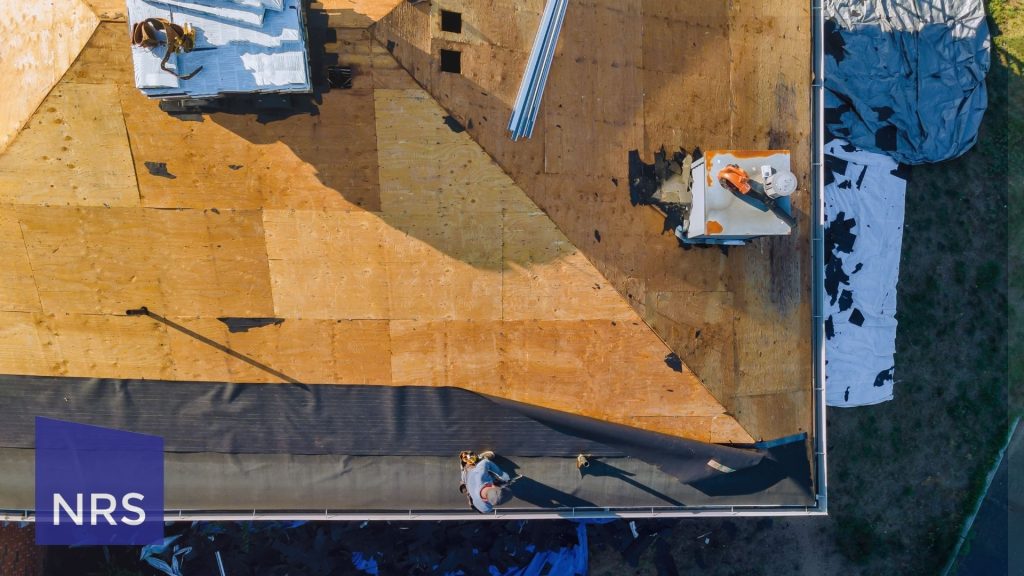
Single ply roofing refers to a system that consists of a single layer of flexible membrane made from synthetic materials. This type of roofing is designed to be lightweight, durable, and highly resistant to environmental stresses. Common materials for single ply roofing membranes include:
- PVC (Polyvinyl Chloride): Known for its excellent water and chemical resistance, PVC is often used in projects requiring high durability.
- TPO (Thermoplastic Olefin): TPO membranes are celebrated for their energy efficiency and reflectivity, making them a popular choice for commercial buildings looking to reduce energy costs.
- EPDM (Ethylene Propylene Diene Terpolymer): This synthetic rubber is valued for its longevity and resistance to UV radiation and ozone, making it particularly useful in various climatic conditions.
Single ply systems have gained traction in the roofing industry because they are easy to install, require minimal maintenance, and can be adapted to different roof shapes and sizes. The inherent flexibility of these materials allows them to accommodate building movement, which is essential for the longevity of any roofing system.
Types of Single Ply Roofing Systems
Single ply roofing systems can typically be installed in two main ways: adhered and mechanically attached.
- Adhered Systems: These involve gluing the membrane directly to the substrate, creating a seamless finish that enhances waterproofing.
- Mechanically Attached Systems: In this method, the membrane is fastened to the substrate using mechanical fasteners, which allows for potential movement—a useful feature for buildings that undergo thermal expansion and contraction.
Additionally, reinforced membranes are available, offering enhanced durability and performance. Whether you’re in a bustling urban centre or a quieter rural area, selecting the right type of single ply roofing can significantly contribute to a building’s overall performance.
Benefits of Single Ply Roofing
Energy Efficiency and Cost-Effectiveness
One primary advantage of single ply roofing is its energy efficiency. Commercial buildings account for a significant portion of energy consumption, making the roofing system’s energy performance crucial for reducing overhead costs.
- Reflectivity: Many single ply materials, particularly TPO, are highly reflective, reducing heat absorption. This contributes not only to a cooler indoor environment but also lowers air conditioning loads and energy bills.
- Insulation: Single ply systems often include insulation layers that enhance thermal performance, further boosting energy efficiency. By maintaining optimal temperatures year-round, they result in substantial savings on heating and cooling expenses.
Ease of Installation and Maintenance
Another compelling reason for the rise of single ply roofing is its ease of installation. Unlike other roofing systems that may require extensive equipment or specialized skills, single ply roofing can be installed quickly, reducing labour costs and project timelines.
- Streamlined Installation: The lightweight nature of single ply materials simplifies handling and application. With fewer seams, there’s less potential for leakage, diminishing long-term damage risk.
- Low Maintenance Requirements: Once installed, single ply roofs demand minimal maintenance. Their durability and resistance to UV rays and chemicals can allow them to go years without requiring repairs—a valuable attribute for busy commercial property managers.
Longevity and Durability
Commercial buildings often need roofing systems that can last and withstand the elements over time.
- High Resistance to Environmental Factors: Single ply roofing materials are engineered to resist common weather-related issues such as corrosion, puncturing, and impact damage. Their longevity compared to traditional systems makes them an attractive investment.
- Flexibility and Adaptability: The flexibility of single ply membranes enables them to expand and contract with changing temperatures, helping to mitigate the risk of cracking or detaching from the substrate—a common issue with more rigid materials.
- Variety of Colours and Finishes: Available in diverse colours and finishes, single ply roofing can cater to aesthetic requirements while providing functional benefits.
Applications in Commercial Builds
Diverse Usage Across Industries
Single ply roofing has made its mark across various commercial applications, from warehouses to retail spaces. Its adaptability addresses the unique challenges faced by different sectors:
- Warehouses: Featuring large, flat surfaces, warehouses benefit from single ply roofing’s excellent water resistance. The minimalist design aids in cost-effective installations while ensuring a reliable roof that withstands harsh weather conditions.
- Offices: Energy efficiency is paramount in office buildings, where heating and cooling costs can be high. The reflectivity and insulative properties of single ply roofing make them ideal for offices aiming to optimise energy consumption.
- Retail Spaces: Aesthetic considerations are crucial for retail environments. Single ply roofs can be tailored to match branding and design, ensuring seamless integration with the building’s overall look.
Specific Features for Unique Needs
When considering specific features, it’s crucial to note how each type of single ply roofing can benefit various industries:
- Fire Resistance: Certain single ply materials can be formulated to be fire-resistant, a key consideration for industries housing hazards or flammable materials.
- Sound Reducing Properties: In office spaces, particularly sensitive environments, single ply roofing can include additional insulation to minimise outside noise, fostering a conducive atmosphere.
- Sustainability Options: Many manufacturers now produce single ply membranes from recycled materials, making them a sustainable choice that aligns with growing industry standards for environmentally friendly building practices.
Installation Processes and Best Practices
The Installation Journey
Proper installation is vital to maximise the effectiveness and longevity of single ply roofing systems. The following steps outline essential aspects of the installation process:
- Substrate Preparation: The surface must be clean and free of debris, serving as the foundation for the single ply membrane. Any irregularities should be addressed to ensure a smooth application.
- Adhesion Methods: Based on the roofing type (adhered or mechanically attached), it’s crucial to select the right adhesive or fastening system appropriate for the specific single ply material being installed.
- Roofing Underlayments: An underlayment can provide an additional layer of protection against moisture intrusion and support the system’s durability.
Importance of Skilled Installation
The effectiveness of single ply roofing significantly relies on the expertise of the contractor conducting the installation.
- Hiring Experienced Professionals: Ensure the contractor has specific experience with single ply systems. This expertise ensures that intricate details, such as seam welding and adhesive application, are executed correctly.
- Weather Considerations: Monitoring weather conditions during installation is crucial, as extreme temperatures or wet conditions can compromise the adhesion and performance of the roofing system.
- Inspection Protocols: Post-installation inspections should be routine to identify any hidden defects. A certified contractor will provide valuable insight into ongoing maintenance based on their expertise.
Future Trends in Single Ply Roofing
Innovations Driving the Market
The single ply roofing market is invariably influenced by emerging technologies and evolving environmental standards. Below are notable trends shaping its future:
- Advanced Membrane Technology: New developments in roofing membrane materials are enhancing durability and flexibility, addressing historical limitations that may have affected overall performance.
- Sustainable Materials: The push for greener construction practices has led to a rise in single ply materials derived from recyclable substances or possessing environmentally friendly certifications. This is significant for businesses aiming to meet corporate sustainability goals.
- Smart Roofing Solutions: Integration of smart technology monitoring systems provides real-time data on roof performance, identifying issues as they arise and allowing for effective maintenance scheduling.
- Building Integrated Photovoltaics (BIPV): Growing interest in renewable energy solutions is leading to an increase in BIPV, where solar panels are integrated directly into the roofing system. For commercial properties looking to leverage solar energy, single ply roofing offers an ideal base.
Conclusion
In summary, the rise of single ply roofing in commercial builds is undeniably supported by its numerous benefits and applications across various sectors. From energy efficiency and ease of installation to adaptability and sustainability, single ply roofing systems are proving to be a reliable option for modern constructions.
For architects, construction professionals, and property developers, incorporating single ply roofing into strategic discussions about roofing solutions should be a priority. Its ability to satisfy both functional and aesthetic requirements positions it as a smart choice for diverse commercial applications.
If you’re planning a construction project, consider the advantages of single ply roofing. Investing in this innovative roofing solution could lead to long-term savings, improved energy performance, and enhanced sustainability. Explore the possibilities that single ply roofing presents for your commercial builds today!