Introduction
Maintaining a roof is crucial for homeowners and property managers, but it is often overlooked. A small leak today can evolve into a significant problem tomorrow, leading to structural damage, costly repairs, and health hazards from mould growth.
Understanding Roof Damage
What Constitutes Roof Damage?
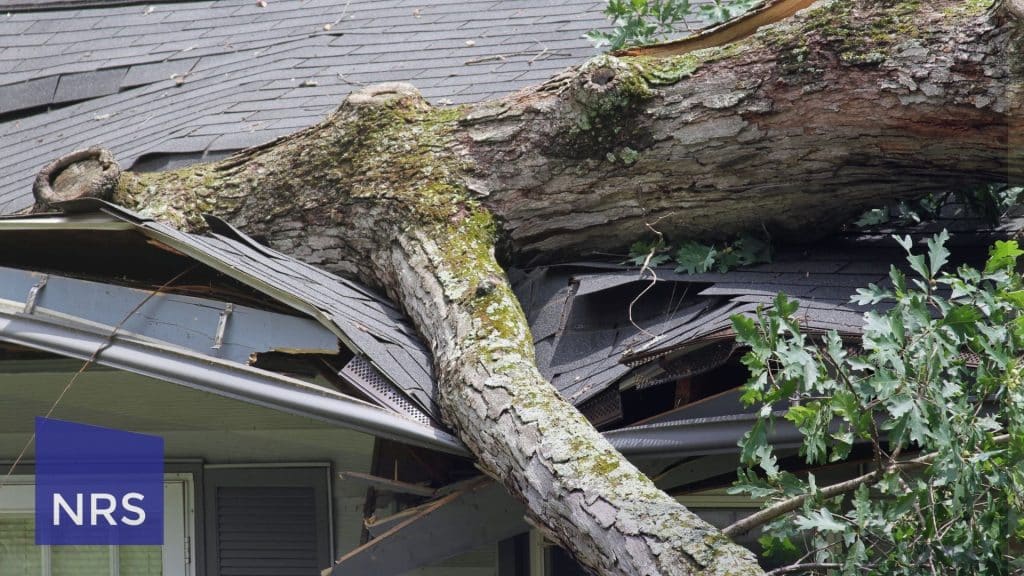
Understanding what qualifies as roof damage is essential for any homeowner or property manager. Roof damage can manifest in various forms, affecting not just the integrity of the roof but also the home’s overall functionality. Common types of roof damage include:
- Water Leaks: Often the most concerning type of roof damage, water leaks can lead to severe complications such as structural decay and mould growth.
- Structural Issues: Any sagging, warping, or buckling observed on the roof surface might indicate deeper structural issues that need immediate attention.
- Shingle Deterioration: Over time, shingles may wear, crack, or even lose granules, showing signs of age and affecting overall performance.
Specific UK Considerations
In the UK, various factors can influence roofing choices and challenges:
- Common Roofing Materials: Popular roofing materials include slate, clay tiles, and concrete tiles. Slate roofs can last up to 100 years, while clay and concrete tiles typically have a lifespan of 30-50 years.
- Impact of UK Weather Patterns: The UK’s frequent rain, frost, and occasional snow can significantly impact different roofing materials. For instance, frequent precipitation can lead to water ingress, while frost can cause cracking in certain materials.
- Building Regulations: It’s important to be aware of UK building regulations that govern roofing standards. Compliance with these regulations helps ensure safety and longevity for roofing structures.
Visible vs. Hidden Roof Damage
Identifying roof issues is not limited to merely looking for outward signs of wear. While visible damage, such as broken or missing shingles, is easy to spot, hidden damage can be a more significant challenge. Hidden roof damage often resides within the underlying structures, including rafters and attic insulation. For instance, a subtle leak may not show up until it has caused sufficient internal damage, creating damp patches and promoting mould growth.
Why It Matters
Since roofs protect all other aspects of your home, early identification of roof issues can save you money and prevent further complications in the long run. Recognising these types of damage ensures you remain vigilant and take timely action when necessary.
Common Causes of Hidden Roof Damage
Weather Conditions
UK weather conditions are notoriously unpredictable, ranging from torrential rain to gale-force winds, and each can significantly impact roof health. Heavy rains can lead to pooling water, resulting in water ingress and eventual rotting of the wooden structures beneath the roofing material. Wind can lift shingles and expose the underlayer to moisture, accelerating deterioration.
Age of the Roof
The age of your roof plays an indispensable role in its health. Most roofs typically last 20-25 years, depending on the materials used. As roofs age, they become more susceptible to wear, tearing, and hidden damage. Regular inspections are crucial for older roofs, as the likelihood of hidden issues increases with time.
Maintenance Neglect
Neglecting regular roof maintenance is one of the primary causes of hidden damage. Even seemingly minor issues can worsen if left unchecked. For example, a small crack in flashing might not be noticeable at first but can lead to significant leaks if ignored for too long. Regularly cleaning gutters, inspecting flashing, and removing debris can help mitigate these risks.
Gutter Maintenance
Regular gutter cleaning is vital to prevent blockages that can lead to water damage. It is recommended to clean your gutters at least twice a year. Using gutter guards can help prevent debris buildup and reduce maintenance. When cleaning gutters, ensure safety by using a ladder stabilizer and wearing gloves to protect against sharp edges and debris.
Moss and Algae Growth
Moss and algae growth can also pose a risk to roof integrity. If left unchecked, these can retain moisture, promoting rot and weakening the roofing materials. Regular cleaning and preventative measures can help mitigate this issue.
Animal Infestation
Animal infestations, such as rodents or birds nesting on rooftops, can cause significant damage. They can break shingles and create holes where water can penetrate. Regular inspections can help detect signs of animals and prevent potential damage.
Attic Ventilation
Proper attic ventilation is crucial for preventing moisture buildup, which can lead to roof damage over time. Ensure your attic has adequate ventilation to allow airflow and reduce condensation, which can cause mould growth and damage roofing materials.
Importance of Vigilant Inspection
Given the various factors contributing to roof damage—both visible and hidden—it’s clear that maintaining a proactive attitude toward roof inspections is essential. Understanding environmental conditions, acknowledging the age of your roof, and committing to regular maintenance are integral to preventing roof deterioration.
Key Signs of Hidden Roof Damage
Internal Signs
Recognising key indicators of potential roof damage involves investigating various aspects of your home. Here are some internal signs to look out for:
- Water Stains on Ceilings: Stains or discolouration on ceilings often point to a leak. While it may seem minor, addressing it promptly can prevent more extensive damage.
- Damp Patches on Walls: Similar to ceiling stains, damp patches on walls can indicate that water is seeping through the roof or from leaking pipes directly linked to roof issues.
- Signs of Mould Growth: Mould thrives in damp conditions. If you notice mould or mildew on walls, ceilings, or anywhere near the roof, it’s crucial to investigate further.
External Signs
External signs are easier to observe but equally critical. Here’s what to look for:
- Worn or Missing Shingles: Inspect your roof visually for any shingles that are curling, cracked, or entirely missing.
- Granule Loss: Check gutters for shingle granules. Their presence often indicates deterioration.
- Flashing Issues: Faulty or damaged flashing around chimneys and vents can lead to leaks. Inspect these areas for breaks or gaps.
Evaluation Techniques
Homeowners can evaluate their roofs by inspecting both internal and external areas. This should include checking the attic for any signs of moisture or light infiltration, which can indicate gaps or holes.
Inspection Techniques for Homeowners
Visual Inspections
Visual inspections are fundamental in identifying hidden roof issues. Begin by:
- Using Binoculars: Stand at a safe distance from the roof and use binoculars to observe shingles and flashing closely.
- Inspecting from the Ground: Look for sagging or uneven areas needing further investigation.
Climbing into the Loft
Performing an inspection from the loft provides a different perspective. While in the loft, look for:
- Signs of Moisture: Examine insulation for wet patches; this can be a sign of a roof leak.
- Light Penetration: If you see daylight coming through the roof boards or sheathing, that may be a point of concern.
Use of Technology
Consider employing modern technology for roof inspections whenever possible:
- Infrared Cameras: These can detect temperature differences on roof surfaces, indicating potential leaks or cold spots due to missing insulation.
- Drones: For larger properties or complicated roof designs, drones can offer a safe and detailed aerial view.
Practical Guidance
When performing inspections, always prioritise safety. Use ladders and scaffolding as necessary while ensuring their stability. Should you feel uncomfortable with heights or uncertain about inspections, do not hesitate to call a professional.

When to Call in a Professional
Recognising Limitations
While some homeowners may feel confident in their ability to inspect their roofs, there are occasions when professional assistance is imperative:
- Complicated Roof Designs: Some roof shapes, such as steep or multi-faceted roofs, are difficult to inspect thoroughly without professional training and equipment.
- Significant Damage: If you notice clear indicators of leaks or damage during your inspection, it’s advisable to consult a professional roofer sooner rather than later.
- Expertise and Experience: Trained roofing professionals can identify subtle signs of damage that an untrained eye might miss, ultimately saving you money on repairs by catching issues early.
Benefits of Hiring a Qualified Roofer
Hiring a qualified roofer for a thorough inspection comes with various benefits, including:
- In-Depth Evaluations: Professionals employ extensive techniques and tools, providing a comprehensive evaluation of roof integrity.
- Guaranteed Work: Most reputable roofing companies offer warranties for their services, covering future repairs related to their work.
- Long-term Cost Savings: By addressing minor issues promptly, homeowners can prevent costly repairs down the road, making the initial investment in professional services worthwhile.
Conclusion
In conclusion, understanding how to spot hidden roof damage is invaluable for homeowners and property managers alike. From internal signs like damp patches and mould to external signs such as missing shingles, vigilance can greatly affect the longevity of your roof. Regular inspections, both visual and technical, allow you to identify roof issues before they escalate into costly problems. For complex needs or substantial damage, consulting a professional should always be a priority.
By taking proactive steps toward your roof maintenance, you not only safeguard your property but also ensure a safe environment for its occupants. Start planning your roof inspections and maintenance today, as early detection is critical in preserving the integrity of your home.