Introduction to EPDM Roofing
What is EPDM?
EPDM stands for Ethylene Propylene Diene Monomer. It is a synthetic rubber made from a blend of ethylene, propylene, and a small amount of diene monomers. This chemical structure gives EPDM its flexibility and resistance to environmental factors, making it an adaptable and durable material. EPDM is widely used in a range of industries, including automotive and construction, due to its elasticity and weather-resistance. In roofing, EPDM comes in large single-ply membranes, which means it is installed as one continuous layer to minimise seams and potential leaks.
EPDM rubber roofing is one of the most durable and cost-effective solutions for flat roofs. If you’re based in Brighton and need a high-performing flat roof, explore our EPDM roofing services in Brighton.
EPDM in UK Flat Roofing
Flat roofs are common in both domestic and commercial buildings across the UK. EPDM roofing membranes play a significant role in these systems, providing a practical solution for garages, extensions, and other flat roof applications. The material’s ability to resist water ingress, withstand fluctuating temperatures, and endure long-term exposure to sunlight makes it highly suitable for the country’s variable weather.
Historical Development
EPDM was developed in the early 1960s as a direct response to the demand for more durable and weather-resistant materials. Early formulations sought to improve the lifespan of flat roofs, which were previously prone to leaks and rapid ageing. Over time, advancements such as improved seam technology and pressure-sensitive adhesives made EPDM easier to install and more reliable. By the 1970s, EPDM had become a popular choice for flat roofing, and has since maintained a reputation for longevity, even with membranes installed over 30 years ago still performing effectively.
As we understand what EPDM is and its significance in flat roofing, it is important to look at its composition and what makes it so effective for roofing in the UK.
Composition and Properties of EPDM
Chemical Structure and Manufacturing
EPDM, or Ethylene Propylene Diene Monomer, is a synthetic rubber formed from a blend of three components: ethylene, propylene, and a diene such as ethylidene norbornene. The copolymerisation process involves mixing these monomers with a catalyst, leading to a material that can be vulcanised using sulphur or peroxides. Manufacturing includes steps like polymerisation, purification, and drying, carefully controlling each phase to produce consistent, high-quality rubber sheets.
Key Physical Properties
EPDM is highly flexible, even at temperatures as low as -45°C and as high as +120°C. Unlike many rubbers, it remains stable and does not crack or degrade in harsh sunlight, ozone, or after repeated exposure to rain and frost.
Key properties include:
- Flexibility in a wide temperature range
- Resistance to UV and weathering
- Durability and long lifespan
- Strong water resistance
These characteristics ensure that EPDM maintains its integrity when exposed to the fluctuating and often damp climate of the UK.
Suitability for the UK Climate
The UK’s climate often features rain, temperature swings, and periods of intense sunshine. EPDM’s chemical structure means it resists water ingress, won’t become brittle in cold snaps, and stands up to hot summers or direct UV radiation without shrinking or cracking. This reliable performance in all seasons makes EPDM especially effective for flat roofs in the UK.
This resilience supports ongoing protection for buildings, keeping interiors dry and reducing the frequency of repairs or replacements.
Advantages of EPDM Roofing
Exceptional Longevity and Durability
One of the main strengths of EPDM roofing is its impressive lifespan. When properly installed and maintained, EPDM roofs can last up to 50 years, which is longer than most other flat roofing materials. This endurance is a result of the durable synthetic rubber, which resists wear and ageing even under regular exposure to the elements.
Resistance to Weather and Environmental Stress
EPDM performs exceptionally well in the UK climate, where a roof must cope with frequent rain, cold spells, and occasional heat. The material stays flexible at low temperatures and does not crack or degrade in intense sun or under UV radiation. This resistance ensures that the roofing system withstands thermal cycling and harsh weather, maintaining a waterproof barrier for many years.
Low Maintenance and Cost-Effectiveness
EPDM roofs require minimal maintenance compared to alternatives like traditional felt or modified bitumen. Since they are installed in one large sheet, there are fewer seams, reducing the likelihood of leaks. Maintenance mainly involves simple inspection and cleaning, keeping costs low. Combined with its long life, EPDM stands out as a cost-effective flat roofing solution, often providing better value when factoring in reduced repair and replacement needs.
With these advantages, EPDM has become a leading solution for those seeking reliable, long-lasting flat roofing in the UK.
Potential Disadvantages of EPDM Roofing

Susceptibility to Punctures and Impact Damage
While EPDM is known for its durability, it is not immune to physical harm. The membrane can be punctured by sharp debris, heavy foot traffic, or falling branches. Hail can also cause visible indentations, tears, and cracks in the surface. If left unnoticed, these weak points may allow water to penetrate, leading to leaks and further damage. Regular maintenance and prompt repairs are important to limit the risks.
Aesthetic Limitations
EPDM roofing is generally available in black, which may not suit everyone’s design preferences. The dark colour can increase rooftop temperatures during warmer months. Although other colour options like white exist, they are less common and often more costly.
Risks of Shrinkage and Ponding Water
If EPDM is installed incorrectly or subjected to extended heat, shrinkage can develop. This condition causes the membrane to pull away from seams, flashing, and parapet walls, resulting in gaps and potential leaks. Flat roofs are also at risk of ponding water, especially if the roof is not sloped correctly. Water accumulation can strain the material and reduce the roof’s lifespan.
Understanding these drawbacks helps ensure that EPDM installations are matched appropriately to both project needs and regular care routines.
EPDM vs Other Flat Roofing Materials
Comparing EPDM with Fibreglass (GRP) Roofing
EPDM and fibreglass (GRP) are both widely used for flat roofs in the UK, but they differ in key aspects. EPDM, or rubber roofing, is valued for its flexibility, weather resistance, and ease of installation. It is generally more cost-effective upfront and can last up to 50 years with minimal maintenance. However, EPDM is prone to punctures from sharp objects, impacts, or foot traffic, making it less ideal if the roof will be regularly accessed.
Fibreglass roofs, made from glass fibres and polyester resin, are known for their strength and seamless finish. They are highly resistant to punctures and can handle foot traffic much better than EPDM. GRP offers a longer lifespan, toughness, and can be customised in colour and finish for greater aesthetic flexibility. However, fibreglass is usually more expensive to install and needs skilled professionals for proper application. Repairs to fibreglass are also generally straightforward and localised, whereas EPDM leaks can spread and be harder to detect.
Contrast with Felt and TPO Roofing
Traditional felt roofing is a cost-effective choice popular for many years. It is made by layering bitumen-saturated materials and topping them with a protective coating. While felt roofs can be cheaper and easy to repair, their lifespan is much shorter, usually 10–20 years. They require frequent maintenance and have weaknesses at seams, which are prone to leaks.
Thermoplastic Polyolefin (TPO) membranes are another alternative. TPO is known for its UV resistance and strong seams formed by heat-welding. It is typically durable and resistant to weathering, but the technology is newer than EPDM and may not match EPDM’s track record for longevity, especially in the varied UK climate.
Why EPDM is a Popular Choice
EPDM remains a leading option because of its balance of longevity, weather resistance, and overall cost-effectiveness. It is easier to install compared to some alternatives and generally requires less maintenance. Its environmental friendliness, including recyclability and energy efficiency, adds to its appeal. For many flat roof applications, it offers reliable value, especially where puncture risks are managed and visual variety is less important.
A thoughtful selection between these materials depends on the intended use, desired budget, and maintenance willingness. Proper installation and care remain crucial for all flat roofing systems.
EPDM Roofing Installation Methods

Main Installation Techniques
There are three primary methods for installing EPDM roofing: ballasted, mechanically attached, and fully adhered systems. Ballasted installations involve loose-laying the EPDM membrane and securing it with gravel or concrete pavers. This method is well-suited to large commercial roofs where the building structure can handle extra weight. Mechanically attached systems use fasteners through the membrane or along seams to anchor it directly to the roof deck. Finally, fully adhered installations bond the membrane to the substrate using a specialist adhesive, providing the best resistance to wind and ensuring a smooth, secure finish.
Step-by-Step Installation Process
Proper preparation is vital for a lasting installation. The process starts with a thorough inspection and cleaning of the roof deck. All dirt, debris, and old roofing materials are removed to provide a stable, clean surface. Damaged surfaces should be repaired or replaced as needed.
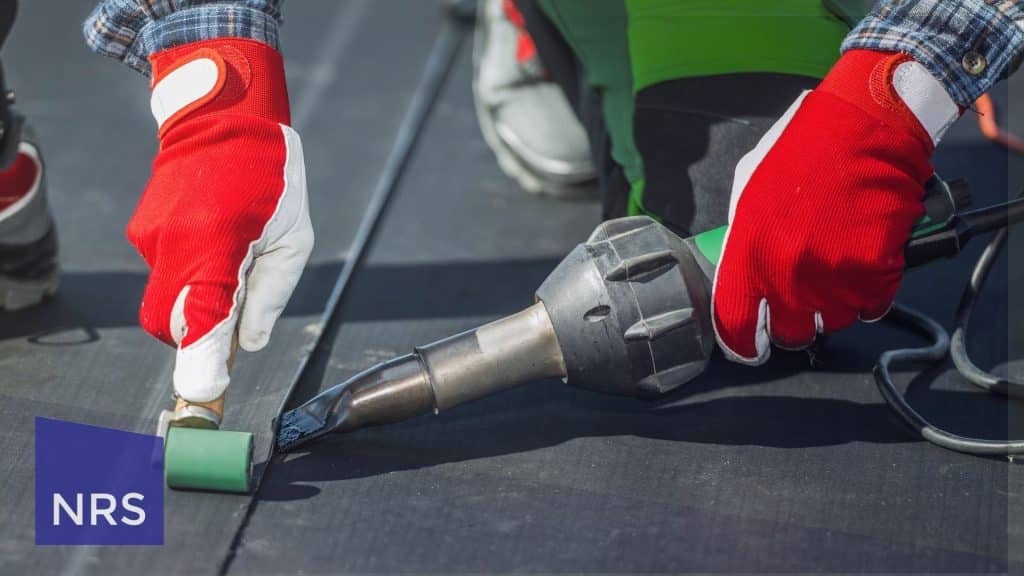
After preparation, insulation boards are attached to the deck if required. The EPDM membrane is then laid out, measured, and trimmed with an overlap at all edges. For fully adhered systems, adhesive is applied to both the substrate and the membrane. Once the surfaces are ready, the membrane is pressed firmly in place to ensure full contact and prevent wrinkles. Seams are sealed using rubber primer and splice tape for a watertight join.
Importance of Correct Installation
Long-term EPDM performance relies on expert installation. Poor application, such as insufficient adhesive or poorly sealed seams, can lead to leaks, shrinkage, or premature failure. Investing in high-quality installation effectively maximises the roof’s service life and reduces the risk of costly repairs later.
Understanding installation sets the foundation for evaluating cost and value over time.
Cost Considerations for EPDM Roofing
Typical Price Range and What Influences Costs
The cost of EPDM rubber roofing in the UK typically falls between £45 and £110 per square metre, including both materials and installation. The total expenditure can therefore range from around £435 for a small 10 m² project to over £4,350 for a large roof of 50 m² or more. Factors driving price variations include the size of the roof, with larger roofs usually attracting lower per-metre rates due to economies of scale.
Complexity also plays a big role. Roofs with multiple angles, skylights, or features require more labour and materials, increasing costs. Accessibility is another influencing factor, difficult-to-reach roofs or those requiring special equipment tend to be pricier. The state of the existing roof is important too; removal of an old roof, or repair work prior to installation, adds to the final amount.
Material thickness is a further consideration. Thicker membranes cost more but improve durability. Ballasted systems are generally less expensive, while fully adhered or mechanically attached methods might add extra expense.
Long-Term Value
Though initial costs for EPDM may be higher than for traditional felt, the membrane’s durability can deliver significant savings over time. EPDM roofs last between 30 and 50 years with minimal maintenance, reducing the need for repairs or full replacements common with less robust products. Proper installation and appropriate membrane selection help maximise this long-term cost-effectiveness.
Through a balance of moderate upfront costs and strong longevity, EPDM often proves to be a sound financial choice for flat roofs in the UK.
Maintenance and Care of EPDM Roofs

Routine Inspection Schedule
For long-lasting performance, an EPDM roof should be inspected twice a year, once in spring and once in autumn. This allows early identification of any weather-related damage, blocked outlets, or accumulated debris, giving homeowners an opportunity to address problems before they escalate. Inspections are especially important after severe weather events such as storms or heavy winds.
Cleaning Techniques
Keeping the roof clean preserves its integrity. Use a mild household detergent diluted in water and a soft-bristle or medium-bristle brush. Avoid harsh chemicals and any cleaners containing petroleum, as these can cause the membrane to swell and deteriorate. Rinse thoroughly with clean water, ensuring no residue remains. For stubborn stains, a gentle kitchen cleanser may be used, but extra care should be taken to prevent runoff onto other surfaces.
Identifying and Addressing Common Issues
Regular visual checks are key. Look for soft spots, bubbles, pulling at seams, or exposed flashing, which may indicate trapped moisture or poor adhesion. Notice any punctures or tears caused by falling debris or repeated foot traffic. Watch for ponding water, persistent puddles may suggest issues with drainage or roof slope and should be addressed swiftly. Signs of shrinkage, such as the membrane pulling away from edges or flashings, point toward underlying installation or aging problems.
Diligent care and prompt attention to minor defects will support the roof’s performance year after year, providing a solid foundation for discussing repair techniques.
Repair Techniques for EPDM Roofing
Addressing Minor Damage: Patching Small Holes and Tears
Dealing with punctures and small tears in EPDM membranes is a straightforward process. Begin by ensuring the roof surface is clean and dry, as debris and moisture hinder adhesion. Use a brush or rag to remove loose dirt and oxidised film. Once clean, cut an EPDM patch that extends at least 50mm beyond the damaged area on all sides. Apply a compatible primer to the cleaned membrane, slightly past the patch’s edges, then press the patch firmly in place. If using a pressure-sensitive patch, roll it to expel air and ensure a secure bond. Finally, apply an EPDM-specific lap sealant around the patch edges to create a watertight barrier and prevent future leaks.
Handling Major Repairs: Seams and Extensive Damage
Seam separation can compromise waterproofing and requires careful attention. Clean affected seams thoroughly and apply a manufacturer-approved EPDM adhesive or seam tape. Use a roller to press the seam and ensure proper adhesion. For large sections of damage or shrinkage, it may be necessary to re-secure the membrane and use additional termination bars at the edges. Major repairs are best handled by professionals to guarantee a lasting result.
Importance of Using Compatible Materials
Always select materials and sealants specifically designed for EPDM. Incompatible products, especially those containing petroleum, can damage the rubber, reducing the roof’s lifespan and integrity. Only EPDM-based adhesives, tapes, and sealants ensure a secure, long-lasting repair.
Prompt and correct repairs are key to maintaining an EPDM roof’s performance. Regular inspection and repair extend the membrane’s service life and help prevent costly water damage.
Extending the Lifespan of EPDM Roofing

Protective Measures Against UV Exposure and Physical Damage
EPDM membranes are naturally UV resistant and highly flexible, but ongoing exposure to sunlight and weathering can lead to gradual degradation over decades. Installing sacrificial walk pads in high-traffic areas helps limit punctures or tears from foot traffic and maintenance activities. Protective pads should be used under heavy equipment or decking to prevent direct pressure and abrasion. Removing debris such as branches or sharp objects is also essential to prevent accidental damage and extend the longevity of the roof.
Benefits of Applying Reflective Coatings
Applying a reflective or UV-resistant coating to an EPDM roof provides several benefits. These coatings form a barrier, enhancing the membrane’s resistance to water ingress, UV rays, and changing weather conditions. Reflective coatings reduce heat absorption and lower rooftop temperatures, which can help maintain a stable indoor climate and decrease cooling energy use during warm weather. With regular recoating, this added layer can significantly prolong the roof’s service life and improve its overall energy efficiency.
Importance of Proper Ventilation and Insulation
To prevent moisture buildup beneath the EPDM membrane, effective roof ventilation and adequate insulation are vital. Well-positioned vents enable airflow, helping to reduce the risk of condensation and trapped moisture, which can otherwise contribute to blistering or water damage. Proper insulation paired with EPDM also enhances energy efficiency, ensuring the structure retains heat in winter and reduces heat gain in summer.
Protecting your EPDM roof with targeted measures not only maximises its lifespan but also maintains its performance in the face of the UK’s variable weather. Regular inspections and early problem detection support the proactive care approach for longevity.
Environmental Considerations
Eco-Friendly Features of EPDM
EPDM rubber stands out as an environmentally responsible roofing choice. Its production generally requires fewer resources than traditional bitumen-based roofs. The material itself is inert and does not leach harmful chemicals into the environment, even over decades of use. With a long service life, fewer roof replacements are needed, reducing waste over time.
Energy Efficiency and Insulation Benefits
EPDM membranes contribute positively to building energy efficiency. Their insulating qualities help to reduce heat loss from buildings, which is especially beneficial in the varied and often damp UK climate. White or reflective EPDM coatings are also available and can lower heat absorption, leading to a reduction in energy costs for cooling in summer months.
Recyclability and End-of-Life
At the end of its service life, EPDM roofing can often be recycled. It may be repurposed for new roofing products or used within other rubber applications, limiting landfill waste. Responsible disposal and recycling practices help ensure that EPDM remains an eco-friendly option throughout its entire lifecycle.
When to Choose Professional Installation and Maintenance

Recognising When Expertise Is Needed
While many homeowners are tempted by the cost savings and satisfaction of installing EPDM roofing themselves, professional expertise is often necessary. Complex roof designs, multiple levels, or the presence of penetrations such as skylights and vents make accurate installation challenging. A DIY approach can lead to errors such as poor seams or misaligned membranes, increasing the risk of leaks and expensive remedies. Moreover, safety concerns, such as working at heights and handling heavy materials, should not be underestimated by inexperienced installers.
Benefits of Qualified Contractors
Engaging qualified contractors ensures that installation adheres to manufacturer specifications and best practices. Professionals use specialised tools and techniques that reduce common mistakes, streamline the project timeline, and minimise disruption. Additionally, contractors who specialise in EPDM are more likely to identify and resolve potential issues before they develop into costly defects. Regular maintenance by experts can extend the lifespan of the roof by addressing minor problems, ensuring clean drainage channels, and checking for early signs of damage.
The Importance of Professional Support for Warranties
Manufacturer warranties for EPDM membranes often require professional installation and periodic maintenance records. If problems arise due to poor installation or skipped maintenance, repairs might not be covered, leaving the owner liable for costs. Professionals can guide you through warranty requirements, ensure all documentation is in order, and help safeguard your investment.
With these advantages in mind, ensuring professional involvement enhances reliability and offers ongoing peace of mind. Regular, expert assessment keeps flat roofing performing at its best.
Conclusion: Is EPDM Right for Your Roof?
Assessing Benefits and Considerations
EPDM roofing delivers strong results in durability, flexibility, and weather resistance. It is highly suitable for the UK’s unpredictable climate, withstanding temperature extremes, heavy rainfall, and UV exposure. Its long lifespan, low maintenance needs, and cost-effectiveness make it a practical choice for residential and commercial flat roofs. Many find that the initial investment in EPDM is offset by reduced repair and replacement costs over decades.
However, potential users should consider specific project requirements. EPDM is susceptible to punctures and shrinkage if installed or maintained poorly. It may not suit all visual preferences, particularly where aesthetics are a central priority. Roof complexity, traffic, and exposure to debris or equipment can affect its performance.
Suitability for Your Project
Choosing EPDM depends on several factors. Simple, low-traffic flat roofs benefit the most. Complex roof designs or those requiring detailed finishes might need alternative materials or enhanced professional expertise. If sustainability and long-term value are important, EPDM delivers excellent results, thanks in part to its recyclable nature and low environmental impact
Future Perspective
The UK market for EPDM is growing due to its proven record and ongoing improvements in installation and environmental attributes. As technology and demand evolve, EPDM is set to remain a leading option for flat roofing, providing a robust and dependable solution for years to come.