Introduction
As the demand for effective roofing solutions increases, property owners, contractors, and facilities managers in Brighton and the South East are turning to hot melt roofing systems. These roofs are particularly relevant in this region due to unique weather patterns, including frequent rainfall and varying temperatures that challenge traditional roofing materials. Hot melt roofs offer exceptional waterproofing and thermal performance, making them ideal for the flat or low-sloped designs prevalent in residential and commercial buildings.
Understanding Hot Melt Roofing
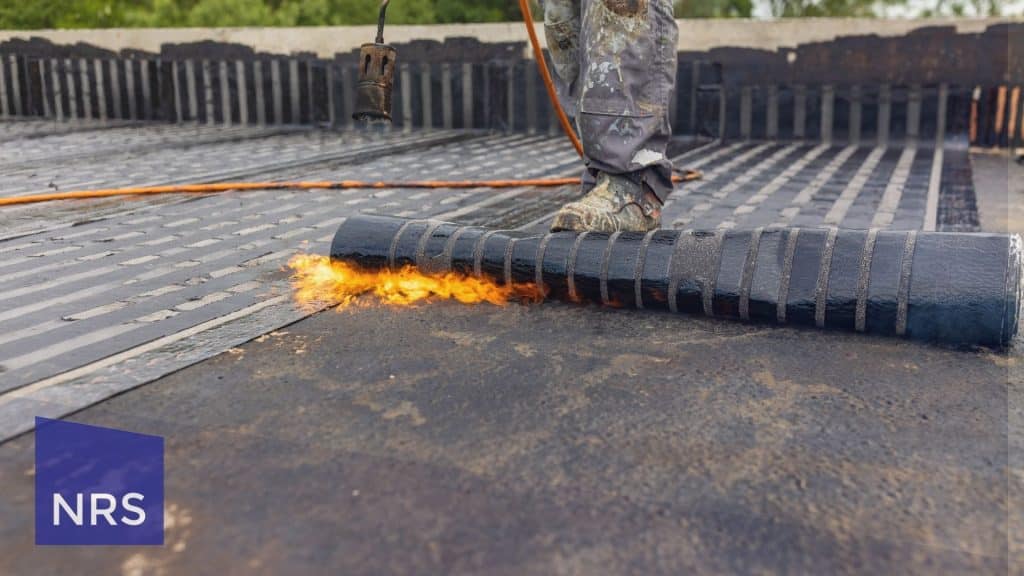
Hot melt roofing is a seamless thermoplastic membrane system that is applied as a liquid and cures to form a strong, durable layer. The primary materials used in hot melt roofing systems typically include a blend of polymers, bitumen, and other additives that enhance performance characteristics.
Composition and Properties
- Materials Used: The hot melt system comprises modified bitumen, a petroleum product enhanced with polymers to improve elasticity and durability. The application process involves heating the material until it reaches a liquid state, allowing it to be poured or spread onto the roof surface.
- Seamless Application: One standout feature of hot melt roofing is its seamless application. Unlike traditional roofing systems that rely on seams and joints, hot melt roofing eliminates potential weak points where water can enter. This seamless design greatly limits leak risks, making it an excellent choice for flat roofs commonly found in Brighton’s architecture.
- Thermal Performance: Hot melt roofs provide superior thermal performance, helping to regulate indoor temperatures. The insulation properties of the material reduce heat loss during winter and keep buildings cooler during summer. This energy efficiency translates into lower heating and cooling costs for property owners.
Suitability for Flat or Low-Sloped Roofs
The flat or low-sloped roofs prevalent in Brighton and the South East create unique challenges in terms of drainage and waterproofing. Hot melt roofing is particularly well-suited for these designs due to its ability to provide a continuous barrier against moisture. The system is designed to accommodate the natural settling and movement of buildings, ensuring long-lasting performance.
Benefits of Hot Melt Roofing
Opting for a hot melt roofing system comes with numerous advantages that make it a compelling choice for property owners in Brighton and the South East.
- Excellent Waterproofing Capabilities: The seamless nature of hot melt roofing prevents water ingress, significantly reducing the likelihood of leaks. This is especially important in Brighton, where heavy rainfall can lead to water pooling on flat roofs, increasing the risk of structural damage.
- Enhanced Thermal Performance: Hot melt systems provide excellent insulation, keeping buildings warm in winter and cool in summer. The improved thermal performance helps maintain a comfortable indoor environment and reduces energy consumption, resulting in lower utility bills.
- Longevity and Durability: A well-installed hot melt roof can last upwards of 25 years, making it a cost-effective long-term investment. Its resistance to UV rays, extreme temperatures, and other environmental stressors ensures it remains intact and functional over time.
- Low Maintenance Requirements: Hot melt roofs require minimal maintenance compared to traditional roofing systems. Regular inspections and cleaning are typically sufficient to keep the roof in good condition, reducing the overall cost of ownership.
- Environmentally Friendly Options: Many hot melt roofing systems are made from recyclable materials, contributing to sustainable building practices. Their energy-efficient properties also help lower the carbon footprint of the building.
- Versatility in Application: Hot melt roofing can be applied to various substrates, including concrete, timber, and metal. This versatility makes it suitable for different types of buildings, whether residential, commercial, or industrial.
The Hot Melt Roofing Installation Process
Installing a hot melt roof involves several critical steps to ensure a successful outcome. Understanding this process is essential for property owners and contractors alike.
- Pre-Installation Assessment: Before installation begins, the existing roof structure must be thoroughly assessed. This involves checking for damage, such as cracks or weakened areas, and determining whether repairs are necessary. Proper drainage is also evaluated, as effective drainage is crucial in preventing water pooling on flat roofs.
- Surface Preparation: Once the assessment is complete, the roof surface must be prepared. This includes cleaning the surface to remove debris, dust, or contaminants that could affect adhesion. In some cases, additional repairs may be needed to ensure a smooth, even surface for the hot melt material.
- Application of Hot Melt Material: The hot melt material is heated in specialized equipment until it reaches the required temperature for application. This process typically involves the following steps:
- Heating the Membrane: The hot melt material is heated to a specific temperature to achieve the desired consistency. It is crucial to monitor the temperature closely to avoid overheating, which could compromise the material’s integrity.
- Spreading the Material: The heated material is poured or spread evenly across the prepared roof surface. Skilled professionals use specialized tools to ensure a uniform and consistent layer, which is crucial for optimal performance.
- Cooling and Curing: After application, the hot melt material begins to cool and cure, forming a solid waterproof membrane. This process may take several hours, depending on environmental conditions. It’s essential to avoid foot traffic on the roof during this cure time to prevent damage to the surface.
- Quality Assurance: Once the hot melt membrane has cured, it is essential to conduct a thorough quality assurance check. This may involve inspecting the seams, looking for imperfections, and ensuring that the membrane is free of bubbles or other defects that could impact performance.
Importance of Skilled Professionals
The installation of a hot melt roof is a complex task that requires skilled professionals with experience in this specific roofing system. Improper application can lead to significant issues, such as leaks or premature failure of the roof. Property owners should always engage certified contractors familiar with hot melt roofing systems to ensure a successful installation.
Environmental Considerations
In today’s eco-conscious world, the environmental impact of building materials is a significant consideration for property owners. Hot melt roofing systems offer several environmental benefits that align with sustainable practices.
- Energy Efficiency: Hot melt roofs are known for their excellent thermal performance, which contributes to reduced energy consumption. By minimising heat loss in winter and keeping buildings cooler in summer, these roofing systems can significantly lower heating and cooling costs, resulting in a reduced carbon footprint.
- Recyclability: Many hot melt roofing materials can be recycled at the end of their life cycle, making them an environmentally friendly option. This recyclability helps reduce waste and promotes a circular economy, aligning with modern sustainability goals.
- Sustainable Installation Practices: During the installation process, environmentally friendly practices can minimise the impact on the surrounding area. This may include using non-toxic materials, managing waste effectively, and ensuring that the installation process does not disturb local ecosystems.
- Long-Term Performance: The longevity of hot melt roofs contributes to their environmental benefits. A durable roof reduces the need for frequent replacements, leading to less material waste over time.
Maintenance of Hot Melt Roofs
While hot melt roofing systems are known for their durability and low maintenance requirements, regular upkeep is essential to ensure their longevity and performance.
- Regular Inspections: Property owners should schedule regular inspections of their hot melt roofs to identify potential issues early on. Inspections can help detect cracks, blisters, or signs of wear that could lead to leaks if not addressed promptly.
- Cleaning: Debris accumulation on the roof can impede drainage and contribute to water pooling, which can cause damage over time. Regular cleaning of the roof surface is essential to prevent this buildup and ensure effective drainage.
- Professional Maintenance Services: Engaging professional maintenance services can provide property owners with peace of mind. These experts can conduct thorough inspections, perform necessary repairs, and ensure that the roof remains in optimal condition. Regular maintenance extends the lifespan of the roof and helps maintain its performance.
Local Regulations and Compliance
When considering a hot melt roofing installation in Brighton and the South East, it is crucial to understand the local building regulations and compliance requirements that may impact the project.
- Building Codes: Local building codes dictate the standards for roofing materials, installation practices, and safety measures. Property owners should work with certified contractors who are familiar with these codes and can ensure that the installation meets all legal requirements.
- Planning Permissions: In some cases, planning permissions may be required for roofing projects, particularly if the property is located in a conservation area or if the installation involves significant alterations to the existing structure. Property owners should check with local authorities to determine whether any permissions are needed before beginning the project.
- Environmental Regulations: Certain environmental regulations may also apply to roofing installations, particularly regarding the use of sustainable materials and waste management practices. Understanding these regulations can help property owners make informed decisions about their roofing solutions.
Conclusion
In conclusion, hot melt roofing presents a reliable and effective solution for property owners in Brighton and the South East. With its seamless application, excellent waterproofing capabilities, and superior thermal performance, hot melt roofs are particularly well-suited for the region’s unique weather conditions.
As we have explored, proper installation and regular maintenance are crucial for maximising the benefits of hot melt roofing. Furthermore, understanding local regulations ensures compliance and helps navigate the complexities of roofing projects. Given the long-term advantages of hot melt roofs, including durability, low maintenance, and environmental benefits, property owners should consider this roofing solution a viable investment for their buildings.
Start planning your hot melt roof installation today to ensure your property is equipped with a durable, energy-efficient roofing solution tailored to the unique conditions of Brighton and the South East.