Introduction to Flat Roofs
A flat roof is defined as any roof with a pitch of less than 10 degrees, making it almost level in comparison to traditional pitched roofs. Despite their name, flat roofs are not perfectly flat; they are built with a slight slope to help rainwater drain away and prevent pooling. This subtle incline is essential for protecting the structural integrity of the building over time.
Flat roofs are a common sight across the UK due to their cost-effectiveness and efficient use of space. They are frequently chosen for both residential and commercial buildings. Common applications include house extensions, garages, outbuildings, and modern new builds. The appeal lies in their straightforward construction, which typically requires fewer materials and shorter build times than pitched alternatives. With fewer complex angles, installing utilities like solar panels or satellite dishes is also easier and more discreet.
Remarkably, around 72% of homes in the UK incorporate some form of flat roofing, reflecting a significant shift towards this practical option. This widespread use highlights the versatility and growing popularity of flat roofs, especially as modern materials have improved their durability and weather resistance.
Understanding Flat Roof Design
Subtle Slopes and Drainage
Contrary to what the name suggests, flat roofs are not completely level. They are built with a gentle slope, usually less than 10 degrees, to allow water to drain off the surface. This design is crucial as it prevents water from pooling, which can cause leaks or damage over time. The slope is often directed towards drainage outlets along the edges or into internal drains.
Key Structural Components
A typical flat roof consists of several layers. At the base, a load-bearing deck provides structural support. Above this, insulation helps with temperature regulation. The topmost layer is a waterproof membrane, which acts as a barrier against moisture. Some constructions may include an additional protective layer such as gravel or pavers.
Comparison to Pitched Roofs
Flat roofs differ from pitched roofs in several ways. While pitched roofs have a steep angle to channel rain and snow away, flat roofs rely on their subtle slope and drainage systems. Pitched roofs are often preferred in climates with heavy rainfall, as they shed water efficiently. However, flat roofs offer greater design flexibility and can better withstand high winds due to their low profile.
Understanding these differences helps property owners choose the right structure for their needs.
Types of Flat Roof Construction
Flat roof construction in the UK relies on three main systems, each offering distinct advantages and applications.
Built-up Roofing (BUR)
BUR is a traditional method using multiple layers of bitumen and reinforcing fabrics, topped with gravel or a mineral cap. This multi-layered system provides a strong barrier against water penetration. Its structure means that if one layer fails, others still offer protection, which boosts durability and weather resistance. However, BUR can be more challenging and time-consuming to install. Maintenance can also be demanding, as improper drainage or damage to the top layer can lead to leaks.
Modified Bitumen Roofing (MBR)
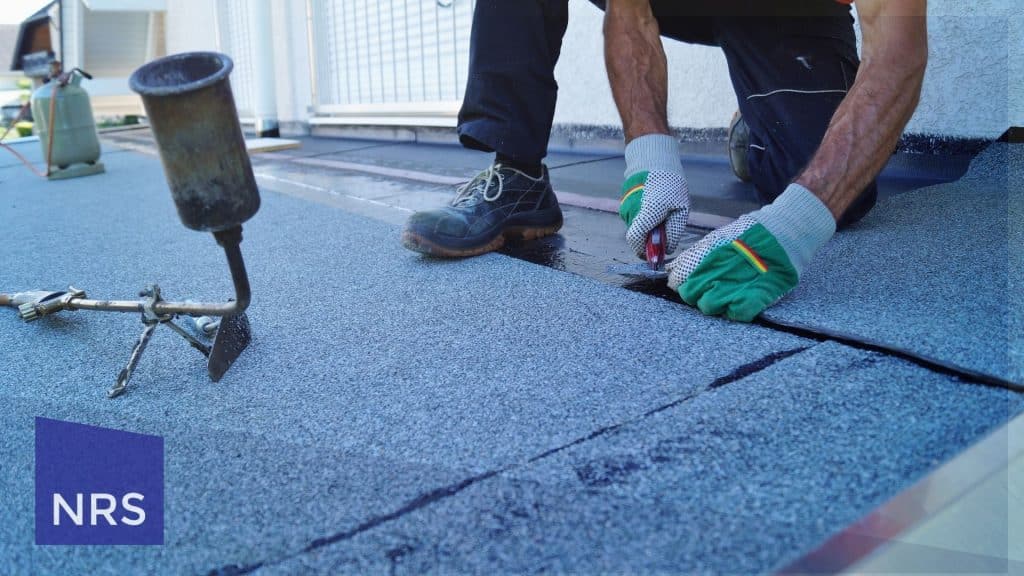
MBR evolved from traditional felt roofing, using an asphalt-based material modified with polymers for improved flexibility. It usually comes in roll form and is applied in fewer layers than BUR, making installation quicker and easier. MBR is less prone to cracking and better able to handle expansion and contraction, but care must be taken during installation to avoid leaks.
Rubber Membrane Roofing (EPDM)
EPDM is a modern single-ply synthetic rubber membrane, well regarded for its durability, flexibility, and resistance to weather. It can last up to 50 years, requires minimal maintenance, and is easy to install, with fewer seams than older systems. Its inherent elasticity makes it less likely to split during temperature changes, though it is not suitable for areas exposed to oils or certain chemicals.
Each of these construction types can be adapted to the unique needs of UK buildings, balancing cost, longevity, and installation requirements.
Flat Roof Materials and Options
EPDM Rubber Membrane
EPDM (Ethylene Propylene Diene Monomer) is a popular choice for flat roofs due to its impressive durability and weather resistance. This single-ply rubber material can last between 30 and 50 years with proper maintenance. EPDM withstands harsh UK weather, including UV radiation and temperature extremes, without cracking, peeling, or splitting. Its lightweight nature and ease of installation further enhance its appeal. While EPDM is often slightly more expensive to purchase than traditional felt, its long life and low maintenance requirements can make it cost-effective in the long run.
GRP (Fibreglass)
GRP (Glass Reinforced Polyester), also known as fibreglass, is valued for its flexibility and ability to conform to complex roof shapes. A GRP roof typically lasts between 25 and 50 years if properly installed and maintained. The material is robust, waterproof, and fire-resistant. Maintenance is simple, often only needing regular cleaning and inspections. However, GRP is best installed in dry conditions, and care must be taken to allow for thermal expansion to prevent cracking over time. While the initial cost is usually higher than EPDM, GRP offers long-term savings due to its durability and low upkeep needs.
Felt and Modified Bitumen
Traditional felt and modified bitumen are affordable options that still provide reliable waterproofing. Modified bitumen, an advancement on traditional felt, offers improved flexibility and resistance to weather. However, felt-based systems generally have a shorter lifespan and may require more frequent repairs, especially if water pools on the surface. Despite these drawbacks, felt and modified bitumen are favoured for their cost-effectiveness and are suitable for properties seeking budget-friendly solutions.
Choosing the right flat roof material depends on factors like desired lifespan, budget, and the complexity of the roof’s design. Each option brings its own mix of strengths, making it crucial to assess the specific needs of each project.
British Standards for Flat Roofs
Key Regulatory Standards
British standards set clear guidelines to help ensure flat roofs in the UK are safe, effective, and long-lasting. The main standard for flat roofs is BS 6229:2018. This standard outlines best practices for designing, specifying, building, and caring for flat or curved roofs with a pitch of up to 10 degrees. It focuses on roofs with continuously supported flexible waterproof coverings. The document addresses areas such as drainage slope requirements, thermal performance, and insulation. For instance, it recommends a minimum design fall of 1:40, to achieve an effective fall of 1:80 after construction settles, which helps to avoid water pooling issues.
BS 8579 guides the design and safety standards for balconies and terraces. It covers requirements for features like minimum balustrade heights and accessible layouts, ensuring these outdoor spaces are both practical and safe.
Importance of Compliance
Following these standards is essential. Insurers may not provide full coverage if a flat roof or terrace does not comply with relevant regulations, due to increased risks of leaks or safety failures. Proper compliance also reduces maintenance issues and improves the overall quality and safety of the property.
Quality standards and practice codes create a foundation for modern roofing materials. This supports the use of EPDM, GRP, and modified bitumen, tailoring material choice to building needs and ensuring well-performing roof systems.
Advantages of Flat Roofs

Cost-Effectiveness
Flat roofs offer a significant financial advantage compared with pitched roofs. Installation costs are generally lower due to fewer materials and less complex structural work. UK pricing typically ranges from £50–£110 per square metre for flat roofs, whereas pitched roofs can cost between £120–£275 per square metre. Repair costs are also lower and flat roofs are simpler to access, reducing labour expenses during maintenance.
Maximising Usable Space
One of the main benefits is the extra space created. Flat roofs easily support roof terraces, gardens, and social areas, features highly valued in urban settings where outdoor space is limited. They also provide level surfaces for installing solar panels, which can be optimally oriented for maximum efficiency. This versatility extends to commercial properties, where flat roofs accommodate equipment such as HVAC systems.
Flexibility in Design and Modern Appeal
Flat roofs lend themselves to a sleek, modern architectural style. The simple shape allows for design flexibility, supporting skylights and green roofing systems. Architects often prefer flat roofs for their adaptability and ability to complement minimalist building designs. This contemporary look aligns with current trends in both residential and commercial building projects.
These strengths make flat roofs an attractive option for a range of property types and uses.
Disadvantages and Challenges
Drainage and Water Pooling
Flat roofs often struggle with drainage. Unlike pitched roofs, water does not run off as quickly. Even with a slight slope, heavy rainfall can lead to standing water if gutters and outlets get blocked. This pooling adds weight and increases the risk of leaks or long-term damage. Routine checks to clear leaves or debris from drains are vital to prevent blockages and reduce the risk of leaks or structural issues. If left unaddressed, water pooling creates weak spots where cracks can form, further raising the risk of roof failure.
Maintenance Needs
Flat roofs require more frequent inspection and upkeep than pitched roofs. Regular maintenance (at least twice a year) is essential for spotting damage early. Small issues, such as hairline cracks or blisters, can worsen quickly if ignored, leading to costly repairs. Using quality sealants and ensuring professional application also helps maintain water resistance.
Lifespan Concerns
Flat roofs, on average, have a shorter service life than pitched roofs. Many flat roofing systems last around ten years, while pitched alternatives often exceed 15 to 20 years. This reduced lifespan is due to increased exposure to moisture, UV damage, and the effects of standing water. Choosing durable materials and being proactive with repairs can help extend a flat roof’s useful life.
Flat roof systems require a thoughtful approach to maintenance and protection, given these vulnerabilities.
Modern Innovations in Flat Roofing

Green Roof Systems and Environmental Impact
Contemporary flat roofs are benefiting from the integration of green roof systems, which involve the planting of vegetation directly onto the roof surface. These living layers add significant insulation, reduce rainwater runoff, and help moderate temperatures within buildings. Additionally, the air quality around buildings can improve due to the natural filtering properties of plants. Green roofs also provide much-needed habitats for insects and birds, contributing to urban biodiversity.
Enhanced Energy Efficiency
Modern flat roofs are increasingly used for solar panel installations. Their broad, unobstructed surfaces enable optimal sunlight capture, making energy generation efficient and cost-effective. Improved insulation methods for flat roofs keep indoor spaces warmer in winter and cooler in summer, reducing energy consumption and lowering bills. High-performance materials now available further help maintain stable indoor conditions.
Advanced Waterproofing Technologies
Waterproofing has evolved rapidly. Today’s flat roofs use advanced membranes, sealants, and adhesives that create robust barriers against water infiltration. EPDM membranes, for instance, offer longevity and minimal maintenance needs, lasting decades with proper installation. The latest waterproof coatings provide not only water resistance but also increased UV and weather protection, ensuring that roofs withstand harsher climates and last longer.
These innovations make modern flat roofs increasingly practical, versatile, and sustainable for both residential and commercial buildings. This progression ensures properties are well protected and more sustainable in daily use.
Installation and Maintenance Considerations
Professional Installation and Finding Qualified Contractors
Flat roof performance depends heavily on professional installation. Qualified contractors ensure correct slope, proper waterproofing, and compliance with UK building regulations for load-bearing and drainage. Homeowners should use reputable directories such as TrustATrader or seek out trade associations to find reliable roofers. Personal recommendations and checking the contractor’s insurance, experience, and previous work are also helpful when making a choice. Importantly, investing in skilled labour and quality materials during installation pays off with fewer issues during the roof’s lifetime.
Regular Maintenance for Optimal Performance
Routine inspections are essential for flat roofs in the UK climate. Homeowners should schedule maintenance at least once a year, focusing on clearing drains and gutters, checking for blockages, and examining the membrane for signs of blistering, cracks, or pooling water. Seasonal checks before winter are recommended. Proactive cleaning and minor repairs can prevent significant structural damage and prolong roof lifespan to over 20 years when combined with good initial construction.
Common UK Repair Issues and Solutions
Common issues with flat roofs include leaks from membrane damage, standing water due to poor drainage, and cracks caused by weathering. Addressing small leaks promptly with appropriate sealants can prevent escalation, while persistent blisters or pooling often require professional intervention. In severe cases, like widespread material failure, replacement is more cost-effective than repeated repairs.
Regular upkeep and informed action at early warning signs help homeowners avoid expensive damage. This proactive approach supports overall roof durability and functionality.
Cost Comparison: Flat vs Pitched Roofs

Installation Costs
Flat roofs are typically less expensive to install than pitched roofs. The average initial installation cost for a pitched roof in the UK ranges from £30 to £120 per square metre. This higher price is due to the extra materials, complex framework, and longer labour time required for pitched designs. In contrast, flat roofs use fewer materials and require simpler structural work, which means lower costs and shorter build times. This difference can result in less disruption during installation and reduced overall budget demands, making flat roofs appealing for both residential and commercial properties.
Maintenance and Lifespan
While installation costs are lower, flat roofs may need more frequent maintenance. Pitched roofs generally demand less upkeep, with fewer vulnerabilities to water pooling and debris build-up. Flat roofs are more prone to drainage issues, so regular inspections and repairs are necessary to prevent leaks and extend their lifespan. Over time, these maintenance routines can add to the overall cost of ownership for a flat roof.
Energy Efficiency
Energy costs are another consideration. Both roof types can be optimised for insulation, but pitched roofs often contain more space for insulation material, which can enhance thermal performance. Flat roofs can be upgraded with advanced materials or green roof systems to help manage energy bills, yet may need extra investment for optimal efficiency.
Property owners must balance lower initial costs against ongoing maintenance needs when choosing between flat and pitched roofs.
Making the Right Choice for Your Property
Key Factors to Consider
When deciding between a flat and a pitched roof, several factors should guide your decision. Start with your property’s architectural style. Flat roofs suit modern buildings, offering clean lines and a minimalist look, while pitched roofs often blend better with traditional designs. Think about your long-term plans too. A flat roof can provide valuable outdoor space for gardens or solar panels, but typically requires more frequent inspections and maintenance.
Your budget is another critical consideration. Flat roofs generally cost less to construct because they use fewer materials and need less labour. However, they may incur higher maintenance costs due to the risk of water pooling and quicker wear. In contrast, pitched roofs cost more to build but tend to last longer and require less ongoing maintenance.
Suitability for Property Types
The choice of roof type should also relate to your building’s function. Flat roofs are common for extensions, garages, and modern homes, offering usable rooftop space. Pitched roofs are standard for traditional houses, offering better drainage and insulation due to their slope and loft space.
Planning Permission and Regulations
You must check local regulations before making changes. Converting a flat roof to a pitched roof almost always requires planning permission, while minor repairs or skylight additions to existing roofs may not. Always consult your local authority to ensure your plans meet permitted development and neighbour requirements.
Choosing the right roof requires balancing appearance, function, cost, and local regulations for a solution that suits your needs.
Conclusion: The Future of Flat Roofing in the UK
Flat roofs are now a prominent feature in the UK’s modern architectural landscape. Their popularity continues to rise, thanks to their streamlined design and the flexibility they offer architects in creating roof terraces, skylights, and even sustainable green roofing systems. Advancements in roofing materials such as EPDM and TPO membranes have greatly improved both lifespan and weather resistance, while new technologies enable better thermal performance and leak detection.
Despite these benefits, it remains essential to balance appealing, contemporary looks with practical requirements. UK weather, with its heavy rain and fluctuating temperatures, puts unique demands on flat roofs, making proper installation and routine maintenance more important than ever. With ongoing innovation in materials and construction methods, flat roofs are set to endure as a cost-effective, flexible choice for both new builds and renovations across the country.