Introduction
Effective roof protection is crucial for the appearance, functionality, and long-term durability and safety of a home. One key element in safeguarding roofs from the elements is the use of flashing systems. Traditionally, lead has been a preferred material for roof flashings due to its mouldability and durability. However, modern advancements have introduced a range of materials known as lead alternatives.
Understanding Lead in Roofing Context
The Role of Lead in Roofing
Lead has been a vital material in the roofing industry for centuries due to its exceptional properties. Its ease of manipulation allows for complex shapes and designs, making it suitable for various applications, including valleys, chimneys, and junctions where roofs meet walls. Besides its mouldability, lead’s resistance to corrosion and longevity have made it the preferred choice for roof flashings.
Limitations and Concerns
Despite its advantages, the use of lead comes with concerns that have prompted the exploration of alternatives. The environmental and health risks associated with lead exposure have drawn regulatory scrutiny. As awareness about sustainability and safety rises, it becomes crucial to consider safer, innovative materials without compromising performance.
Exploring Lead Alternatives
EPDM Rubber: Flexibility Meets Durability
Ethylene Propylene Diene Monomer (EPDM) rubber is a synthetic roofing membrane with distinctive advantages. Known for its flexibility and resilience, EPDM withstands extreme weather conditions, making it an excellent lead alternative for roofing applications.
Benefits:
- Weather Resistance: EPDM resists UV radiation, ozone, and extreme temperature fluctuations.
- Longevity: It has an estimated lifespan of over 50 years when properly installed, ensuring long-term roof protection.
- Easy Installation: Its lightweight nature simplifies transportation and installation.
Aluminium Composites: Strength and Aesthetics
Aluminium composites have become increasingly popular for roofing flashings, combining attractive aesthetics with practicality. These materials offer lightweight properties along with impressive structural integrity.
Benefits:
- Corrosion Resistance: Aluminium naturally oxidises, protecting it from further corrosion.
- Versatility: It can be easily formed and coloured, allowing for custom designs tailored to architectural needs.
- Cost-Effectiveness: Compared to lead, aluminium composites offer a more budget-friendly pricing structure for quality roofing solutions.
Copper: A Timeless Classic
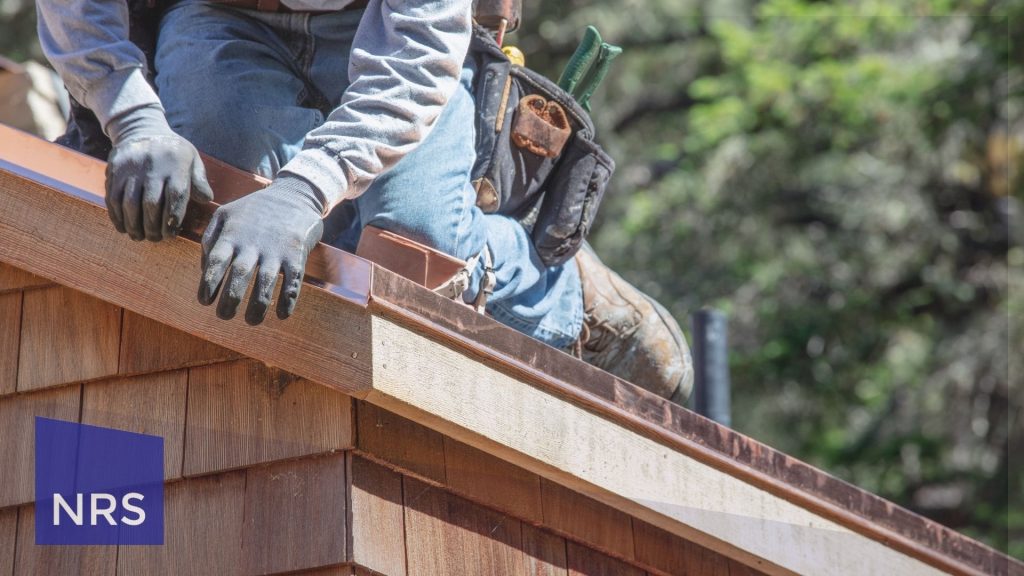
Copper has long been celebrated for its durability and aesthetic appeal in roofing applications. As a lead alternative, copper provides functionality and elegance, making it suitable for both historical and modern homes.
Benefits:
- Long Lifespan: Copper can last over 100 years with minimal maintenance, offering excellent long-term value.
- Antimicrobial Properties: It resists mould and mildew growth, enhancing indoor air quality.
- Natural Patina: Over time, copper develops a beautiful green patina, adding to the visual appeal of the roof.
Stainless Steel: Reliability in Extreme Conditions
Stainless steel is a robust and durable alternative suitable for harsh environments. Its strength offers reliable protection at critical roof intersections.
Benefits:
- Corrosion Resistance: Stainless steel performs exceptionally well in damp and humid conditions.
- Aesthetic Appeal: It can be polished for a clean look or treated to blend with other building materials.
- Recyclability: As a sustainable material, stainless steel is often recycled, reinforcing its environmentally friendly credentials.
Key Benefits for Long-Term Roof Protection
Performance Longevity
The primary goal of roof flashing is to prevent water ingress. Using lead alternatives can significantly enhance this function. Materials such as EPDM rubber, aluminium composites, copper, and stainless steel have proven exceptional performance across various environmental conditions, which is vital for long-term roof protection.
Resistance to Corrosion and Weather
Lead alternatives excel in resisting corrosion, critical for areas exposed to moisture. For example, EPDM’s high resistance to UV rays, combined with the rust-resistant properties of aluminium and stainless steel, ensures these materials maintain their integrity over time.
Overall Value Proposition
Investing in these materials can yield significant returns over a roof’s lifespan. While initial costs may vary, their durability and effectiveness often lead to reduced maintenance expenses and the need for fewer replacements.
Safety and Non-Toxicity
A critical advantage of embracing lead alternatives is the emphasis on safety. Unlike lead, which poses health risks during installation and exposure, materials such as EPDM rubber and aluminium composites are non-toxic, ensuring peace of mind for homeowners and building professionals.
Consideration of Scrap Value
Lead has a high scrap value, making it a target for theft in some areas and raising security concerns. In contrast, lead alternatives do not attract the same attention from thieves, enhancing safety for property owners and reducing the risk of costly replacements.
Advancements in Flashing Systems and Techniques
Innovative Flashing Approaches
The adoption of lead alternatives has ushered in a new era of flashing systems, merging advanced technologies that foster efficiency and strength. For example, systems using integrated metal meshes within polymer products enhance flexibility while maintaining the structural integrity needed for roof protection.
Self-Adhesive Backings
Modern flashing materials often come with self-adhesive backings that simplify installation, reducing time and effort while enhancing bond strength. These technologies create seamless barriers that minimise vulnerabilities against water ingress.
Seamless Runs and Continuous Protection
Innovative flashing designs allow for longer runs of material without seams. This continuous approach to flashing significantly reduces the potential for water penetration, contributing to the roof’s overall integrity.
Specialised Components in Flashing Systems
Kick-Out Flashings
Kick-out flashings are essential elements that direct water away from walls, preventing runoff from pooling near vulnerable junctions. These components are crucial for maintaining the roof structure’s integrity during inclement weather.
Continuous Soakers
Continuous soakers create a barrier at roofing and wall junctions, capturing water and directing it safely off surfaces. This feature is critical for fortifying vulnerable areas against leaks and damage.
Pipe Flashings
Pipe flashings provide a crucial solution for junctions where pipes protrude through roofs. Proper sealing in these areas is vital for preventing water ingress and associated damage. Modern materials, paired with innovative designs, can offer effective sealing without the risks linked to older lead methods.
Conclusion
In this comprehensive exploration of lead alternatives and flashing systems for long-term roof protection, we have revealed the significant advantages these modern materials provide. From the outstanding performance of EPDM rubber and aluminium composites to the timeless appeal of copper and stainless steel, the shift away from traditional lead flashings is a necessary evolution toward safer, more effective roofing solutions.
By embracing these alternatives, homeowners and roofing professionals can invest in materials that not only protect against the elements but also enhance the longevity and safety of roofing systems.
With continual advancements in flashing techniques and a deeper understanding of roof components, now is an excellent time to assess your roofing needs and explore modern solutions for long-term roof protection. Start your journey towards safer roofing solutions today, contact a roofing professional to discuss the best options available!