Introduction
As a UK homeowner or property manager, understanding when to replace your roof is crucial for maintaining the integrity and value of your property. Roof replacement is a significant investment that protects your home from the elements, enhances energy efficiency, and prevents costly water damage. In this blog, we will explore essential information regarding roof replacement, including the average lifespan of various roofing materials, key signs indicating that it is time for a replacement, and guidelines on how to manage the replacement process effectively.
By the end of this post, you will be equipped with the knowledge to identify signs of roof damage, understand the replacement process, and make informed decisions about your roofing needs. We will cover crucial topics such as roof lifespan, signs of roof damage, and roof maintenance tips, ensuring you are well prepared to take action when necessary.
Understanding Roof Lifespan in the UK
Average Lifespan of Different Roofing Materials
The lifespan of a roof can vary significantly depending on the materials used, installation quality, and environmental factors. Here is a breakdown of common roofing materials and their average lifespans in the UK:
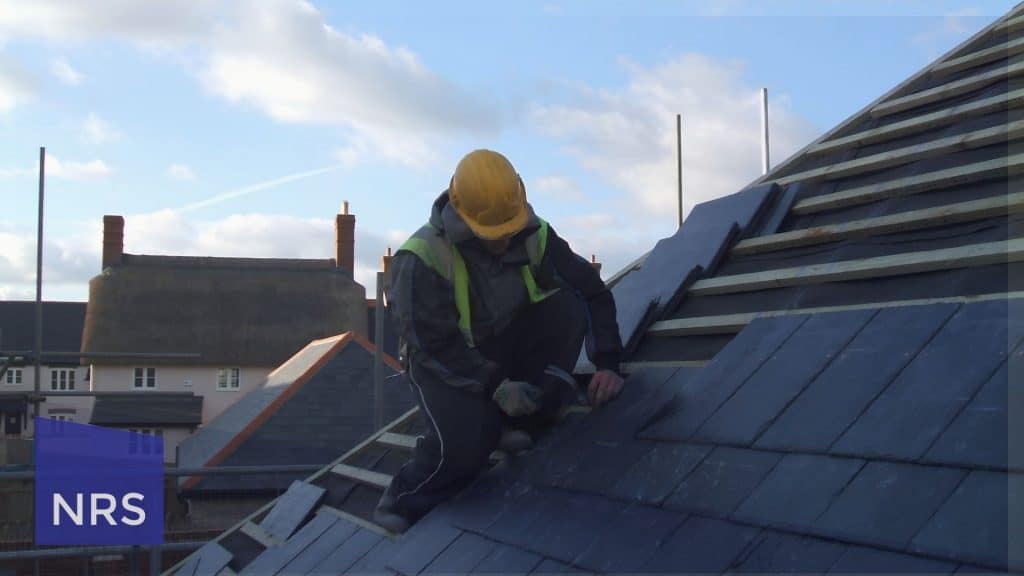
- Slate Roofs: Known for their durability and aesthetic appeal, slate roofs can last anywhere from 50 to over 100 years, making them one of the most long-lasting options available. However, skilled professionals must perform the installation process to ensure longevity.
- Tile Roofs: Traditional clay or concrete tiles have a lifespan of approximately 40 to 60 years. While they are resistant to rot and insects, they can become brittle over time, leading to cracks and breakage.
- Asphalt Shingles: Commonly used in the UK, asphalt shingles typically last around 20 to 30 years. They are cost-effective and come in various styles, but their lifespan can be reduced by extreme weather conditions.
- Metal Roofs: Metal roofing systems, including steel and aluminium, can last 40 to 70 years. They are resistant to harsh weather and require minimal maintenance, making them a popular choice for modern UK homes.
Factors Influencing Lifespan
Several factors influence the lifespan of roofing materials:
- Climate: The UK experiences diverse weather conditions, including rain, snow, and strong winds. These elements can affect the durability of roofing materials. For instance, regions with high rainfall may experience quicker wear and tear on roofing due to moss and algae growth.
- Quality of Installation: A poorly installed roof may lead to premature failure. It is essential to hire qualified roofing contractors who adhere to industry standards. A well-installed roof can significantly extend its lifespan.
- Regular Maintenance: Regular inspections and maintenance can help identify potential issues early, extending the overall lifespan of the roof. Neglecting maintenance can lead to more severe problems and costly repairs.
Understanding the average lifespan of these materials and the factors influencing them can help you make informed decisions regarding your roof replacement.
Key Signs It Is Time to Replace Your Roof

Visible Damage and Wear
One of the most apparent signs that it might be time to replace your roof is visible damage. Homeowners should regularly inspect their roofs for the following issues:
- Missing or Damaged Tiles: If you notice missing, cracked, or broken tiles, it could indicate underlying problems. In the UK, strong winds can easily dislodge tiles, leading to further damage if not addressed promptly.
- Sagging Roof Deck: A sagging roof is a clear indicator of structural issues, often caused by water damage or rot. If you notice any sagging, it is crucial to consult a professional immediately.
- Granule Loss: Asphalt shingles can lose granules over time, resulting in bald patches. A significant loss of granules can reduce the shingles’ effectiveness, leading to leaks and increased vulnerability to UV rays.
- Moss and Algae Growth: While some moss growth is normal, excessive moss or algae can trap moisture and cause damage to roofing materials. Regular cleaning can help prevent this issue, but if it persists, consider a roof replacement.
Leaks and Water Damage
Leaks are one of the most critical signs that your roof may need replacing. Here is how to identify them:
- Ceiling Stains: Water stains on ceilings or walls can indicate a leaking roof. It is essential to trace the source of the leak as soon as possible to prevent further damage.
- Wet Insulation: If you notice damp or wet insulation in your attic, it could be a sign of a roof leak. This can lead to mould growth and structural damage if not addressed.
- Puddles in the Attic: During heavy rainfall, check your attic for any signs of water pooling. This is a clear indicator that your roof is failing.
In the UK, where heavy rain is common, it is vital to address leaks immediately to prevent extensive damage.
Energy Efficiency Concerns
A deteriorating roof can significantly affect your home’s energy efficiency, leading to higher energy bills. Here is what to look for:
- Increased Energy Bills: If you notice a sudden spike in your heating or cooling costs, it may be due to a failing roof. Poor insulation or ventilation can cause heat loss in winter and increased cooling needs in summer.
- Drafts: If you feel drafts coming from your ceiling or upper floors, it could indicate that your roof is no longer effectively insulating your home.
According to the Energy Saving Trust, around 25% of heat loss in homes occurs through the roof. Therefore, ensuring your roof is in good condition can have a direct impact on your energy efficiency.
The Roof Replacement Process

When it becomes clear that roof replacement is necessary, understanding the process can help streamline the experience. Here are the key steps involved:
Assessing the Current Roof
Before replacing your roof, conduct a thorough assessment or hire a professional to evaluate its condition. This assessment should include:
- Identifying Damage: Document any visible damage, leaks, or wear.
- Checking Insulation: Assess the insulation in your attic, as this may need replacing along with the roof.
- Considering Structural Integrity: Ensure the entire structure can support the new roofing material.
Choosing Materials
Selecting the right roofing material is crucial. Consider the following factors:
- Aesthetic Preferences: Choose materials that complement your home’s style.
- Durability: Research the lifespan and durability of different materials based on your local climate.
- Budget: Factor in the cost of materials and long-term maintenance.
Hiring a Contractor
Finding a reputable contractor is essential for a successful roof replacement. Here is how to go about it:
- Get Recommendations: Ask friends or family for recommendations or check online reviews.
- Verify Credentials: Ensure the contractor is licensed and insured.
- Request Quotes: Obtain quotes from multiple contractors to compare prices and services.
Obtaining Necessary Permits
In the UK, many local councils require planning permission for roof replacements, especially if you are changing the roof’s structure or height. Here is how to navigate this process:
- Check Local Regulations: Consult your local council’s website or contact them directly for information on necessary permits.
- Submit Applications: Complete and submit any required applications, including architectural plans if necessary.
Cost Considerations for Roof Replacement in the UK
Understanding the costs associated with roof replacement is essential for budgeting. Here is a breakdown of typical costs:
Typical Costs Associated with Roof Replacement
Roofing materials: Costs vary dramatically based on the material:
- Asphalt shingles: £70 – £100 per square metre
- Tiles: £80 – £120 per square metre
- Slate: £120 – £200 per square metre
- Metal roofing: £100 – £150 per square metre
Labour Costs: Labour costs can range from £150 to £300 per day, depending on the region and contractor experience.
Additional Costs: Don’t forget to account for costs related to permits, disposal of old materials, and potential structural repairs.
Regional Variations in Costs
Costs can vary significantly depending on your location in the UK. For example, London and the South East tend to have higher labour and material costs compared to Northern regions. Always research local pricing to get an accurate estimate for your project.
Actionable Tips for Roof Maintenance and Replacement
To ensure your roof remains in good condition and to extend its lifespan, consider the following maintenance tips:
- Regular Inspections: Conduct inspections at least twice a year, ideally in spring and autumn, to check for visible damage and wear.
- Clear Debris: Remove leaves, branches, and other debris from your roof and gutters to prevent water buildup and potential leaks.
- Moss Removal: If you notice moss or algae growth, clean it off using a non-toxic moss killer or hire a professional service.
- Check Flashings: Inspect flashings around chimneys, vents, and skylights for cracks or damage, as these are common leak points.
- Professional Help: If you notice any signs of damage or leaks, consult a professional roofer immediately to assess the situation.
- Document Maintenance: Keep a log of all inspections, maintenance, and repairs to help track the roof’s condition over time.
These steps can help you maintain your roof and avoid the need for premature replacement.
Conclusion
In summary, understanding when to replace your roof is vital for UK homeowners and property managers. Regular inspections and awareness of key signs of damage, such as visible wear, leaks, and energy efficiency concerns, can help you make informed decisions. The roof replacement process involves thorough assessments, material selection, hiring qualified contractors, and obtaining necessary permits.
By taking proactive steps in roof maintenance and monitoring its condition regularly, you can ensure the longevity and safety of your home. Don’t hesitate to consult a professional if you notice any concerning signs. Remember, monitoring your roof regularly and acting promptly can save you from more significant issues down the line.
Start planning your roof replacement today to protect your home and maintain its value!