Introduction to Roof Decks
Definition and Dual Meaning in the UK
A roof deck, in the UK architectural context, holds two closely related meanings. Structurally, it refers to the material layer, such as plywood, OSB, steel, or concrete, installed atop walls and trusses. This layer forms a base for weatherproofing elements and shelters the spaces below, but does not include the supporting members themselves.
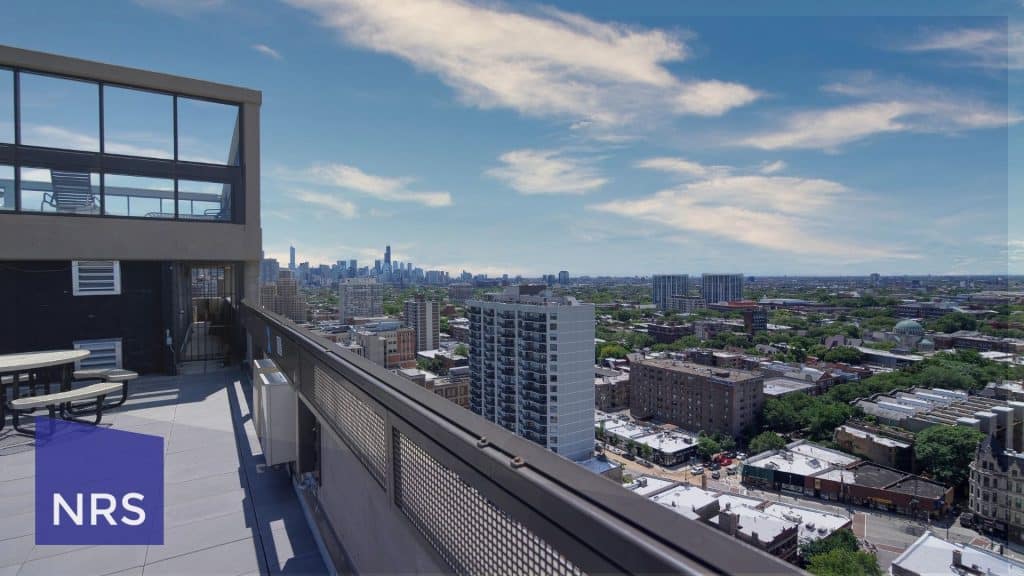
The term can also describe a finished flat or sometimes sloped area designed for people to use as outdoor living space, a walkable deck, terrace, or garden above the building envelope. In urban Britain, this meaning is gaining ground, as such spaces offer rare private outdoor zones in dense cityscapes.
Growing Popularity in Urban Environments
The appeal of rooftop living spaces is increasing in UK cities. Limited ground-level gardens and the desire for modern, social spaces make roof decks attractive options, especially for flats and converted townhouses. These decks provide value both as crucial structural elements and as lifestyle-enhancing amenities.
With continued urbanisation, roof decks have become a key solution to maximise space, enhance well-being, and add visual interest to the built environment. Their dual use, as essential building components and as desirable recreational spaces, underpins their rising prominence in contemporary UK design.
Types of Roof Decks: Understanding the Terminology
Structural Roof Decks
A structural roof deck is the basic supporting layer in a roof system. This element spans across walls or beams and serves as the foundation for all other roofing materials. Common materials for structural roof decks include metal (steel or aluminium), concrete, timber, plywood, and oriented strand board (OSB). Each type offers specific benefits; for example, metals provide high strength and durability, while wood or OSB is popular for its workability and cost-effectiveness. The choice of material impacts the roof’s ability to bear load, its thermal performance, and how effectively it resists weather and wind.
Rooftop Decks and Terraces
A rooftop deck or terrace refers to an outdoor space designed above a building’s main roof structure. These areas are usually intended for leisure, socialising, or sometimes gardening. They often feature pavers, decking boards, or other decorative finishes to create a pleasant and safe environment for users. In the UK, the terms “deck” and “terrace” are sometimes used interchangeably, but traditionally, a terrace may not always project out from the building or be surrounded by railings.
Roof Decks, Terraces, and Gardens: Key Differences
The term “roof deck” can describe either the original load-bearing layer or a finished, accessible outdoor space. A “roof terrace” generally highlights usability for people, such as seating areas, while a “rooftop garden” is designed specifically for plants and sometimes deeper soil layers. Roof gardens need extra structural support and rainwater management. In all cases, selecting the correct terminology helps ensure that the expectations, uses, and required building specifications are clear.
Each type plays a unique role in UK building design and urban living spaces.
Structural Components of a Roof Deck

Common Materials Used
A roof deck forms the base layer above the roof’s structural supports, serving as the foundation for all roofing materials and finishes. In the UK, typical materials include plywood, oriented strand board (OSB), concrete, and steel. Plywood consists of multiple wood layers bonded at right angles, which increases strength and reduces warping. OSB is made from compressed wood strands and resins, known for its dimensional stability and cost-effectiveness. Both materials are widely used in residential settings, although plywood may last longer in very wet climates.
Concrete and steel decks offer high durability and fire resistance, favouring commercial buildings or situations needing higher weight capacity. Steel decking systems vary by thickness, adjusting the support provided according to the requirements of each project.
Structural Function and Weight Distribution
The main role of a roof deck is to distribute weight evenly across rafters or trusses. This helps the roof cope with loads from people, furniture, and heavy rainfall or snow. By spreading weight, the risk of sagging or localised structural failure is reduced. A securely fitted deck increases roof lifespan and reduces the need for repairs.
Weatherproofing and Integration
Weather protection is crucial. The roof deck must resist moisture to prevent warping, rot, and mould. Roofing underlayments are installed above the deck, forming a barrier against water ingress. Proper integration with ventilation, insulation, and flashing ensures the structure remains dry and thermally effective.
A sound structural foundation provides a reliable base for any further adaptation, ensuring safety and durability as requirements change.
Recreational Roof Decks: Design Considerations

Safety and Accessibility
Designing a roof deck intended for recreation in the UK requires strict attention to safety. Secure edge protection, such as railings or balustrades of suitable height, is essential to prevent falls. Access points need to be well-defined and easy to navigate, whether through staircases or roof hatches. The supporting structure must be engineered to bear the combined weight of users, furniture, and any planned additions like planters or water features. Checking load-bearing capacity is particularly important, as lightweight construction materials may limit potential uses.
Weather-Appropriate Surfaces and Finishes
Weather resistance is crucial due to the UK’s damp, varied climate. Non-slip decking, robust paving, or composite materials cope well with rain and temperature changes. Finishes must withstand repeated wetting and drying cycles to prevent decay, warping, or moss growth. Lightweight finishes help keep the overall load low, protecting the structural deck beneath.
Incorporating Amenities and Comfort
Seating, tables, and even barbecue areas enhance the space, making it suitable for relaxation and entertaining. Planters with hardy, wind-resistant plants can be combined with privacy screens for a secluded feel. Lighting, preferably waterproof and low-energy, extends usability into the evening and highlights features after dusk. The arrangement should balance practical use with comfort and atmosphere, adapting to varied space sizes and user needs.
A well-designed recreational roof deck relies equally on robust planning and creative use of materials and features, offering an inviting retreat above the city.
UK Building Regulations for Roof Decks

Planning Permission and Permitted Development
Installing a roof deck in the UK often requires a full planning application. Unlike ground-level decking, which may be classed as permitted development if under 30cm in height, any elevated decking on a roof, particularly those forming a roof terrace, does not fall under permitted development rights and always needs planning approval. Local authorities will consider the potential impact on neighbours, the building’s appearance, and any effect on local conservation areas before granting permission. Homeowners are advised to seek pre-application advice from their local council to ensure their proposal aligns with area-specific regulations and policies.
Structural and Safety Standards
Building regulations demand strict compliance with UK standards to ensure the structural integrity of roof decks. Key standards include BS 5534, governing the performance of roof coverings and fixings, and BS 8612 for dry-fixed roofing systems. Roof structures must also address condensation and ventilation considerations under BS 5250. Safety features such as non-slip surfaces, robust edge protection, and safe access points are essential components.
Fire Safety and Thermal Performance
Fire safety is regulated under UK guidance such as Approved Document B, which requires roof decks and their materials to pass fire resistance and spread tests. Flat roofs must meet classification standards like BS EN 13501-1, focusing on combustibility and smoke release. Additionally, roof insulation standards set minimum thermal performance thresholds (for example, U-values of 0.18 W/m²K for flat roofs), alongside requirements for adequate ventilation and condensation control.
A careful approach to these regulations ensures that roof decks are not only visually appealing but also safe and efficient components of modern buildings.
Flat Roof Design for Roof Decks

Flat roof decks require careful planning to guarantee proper drainage, thermal performance, and material selection. A well-designed drainage slope is essential, as standing water can damage both structure and finishes. UK standards, specifically BS 6229 and BS 8217, call for a minimum designed fall of 1:40 across the deck. This typically equates to a 25mm drop per metre, ensuring that even when construction tolerances are considered, finished falls of at least 1:80 are achieved. For large flat roofs, water should be directed towards adequate drainage points or outlets to efficiently remove rainfall.
Thermal design is crucial for minimising condensation risks. Effective flat roof systems use continuous insulation above the deck to keep surfaces above the dew point temperature, preventing moisture build-up and thermal bridging. For warm deck construction, incorporating vapour control layers and avoiding gaps in insulation helps regulate temperature and moisture, further reducing condensation risks.
Material selection for the roof deck should follow BS 6229:2018. Common options include plywood, oriented strand board (OSB), metal, and concrete. The chosen material must be compatible with the intended waterproofing system and strong enough for the expected load.
Designing a flat roof deck involves balancing drainage, insulation, and material requirements, helping to ensure long-term durability and a comfortable environment above.
Pitched Roofs vs Flat Roofs for Deck Installation

Prevalence of Pitched Roofs in the UK
Traditional residential buildings across the UK often feature gable to gable or duo-pitch roofs. These pitched designs are well-suited to the country’s frequent rainfall and variable weather, allowing water to shed off efficiently. As a result, most older homes and many new structures incorporate some form of pitched or sloped roofing, providing robust weather protection.
Adapting Sloped Surfaces for Usable Space
Transforming a pitched roof into a usable deck or terrace is challenging. The natural slope limits where flat, safe surfaces for seating or foot traffic can be created. Adaptation techniques include building raised platforms above the original roof, installing level support frames, or partially converting roof areas in combination with dormers. These transformations demand careful attention to structure, as the decking must spread weight safely while avoiding disruption to existing weatherproof layers.
Advantages of Flat Roofs for Recreational Decks
Flat roofs are generally more straightforward for recreational deck installation. Their horizontal surface enables direct installation of seating, planters, and amenities. Flat roofs make it easier to implement weatherproofing, edge protection, and ensure even load distribution across the structure. A minimum fall for drainage is still required, but the overall adaptability for living spaces is superior to that of pitched roofs.
Approaching the integration of greenery and natural elements on rooftops builds further upon the concept of recreational deck spaces.
Living Roofs and Green Roof Decks

Integrating Vegetation with Rooftop Spaces
Living roofs, often called green roofs, combine plants, soil, and specialist layers to transform flat and shallow-pitched roofs into vibrant, usable environments. These systems can range from simple layers of hardy sedum to lush gardens with pathways and seating. Key integration factors include the depth of growing medium, choice of plants, and reliable water management. Proper selection and maintenance ensure both ecological value and usability for recreation and relaxation.
Environmental and Thermal Benefits
Green roofs provide substantial environmental gains. Their vegetation absorbs rainwater, reducing runoff and filtering out pollutants before water enters the drainage system. They capture dust and lower air pollution, creating cleaner city air. Green roofs absorb sunlight and reflect heat, lowering both rooftop and indoor temperatures. This improves comfort year-round and can reduce energy use for cooling and heating by creating natural insulation and limiting the heat island effect in urban centres. Sound insulation is another advantage, making urban living quieter and more pleasant.
Structural Requirements for Supporting Green Roofs
Installing a green roof requires a sturdy structural base. The design must account for the extra weight of soil, retained moisture, and mature vegetation. Typical installations add 10 to 25 pounds per square foot and may demand reinforcement, especially on older buildings or steeper slopes. Layers for drainage, waterproofing, and root barriers are critical to preventing water ingress and root-related damage. Regular access and planned maintenance routines are also essential for protecting both the building and the planted areas.
Green roofs add life and value to urban architecture and require a different approach to ensure successful installation and lasting benefits.
Installation and Construction Best Practices

Waterproofing and Moisture Management
Ensuring a roof deck is watertight is essential for longevity and safety. Waterproofing commonly involves bitumen-based liquid membranes or bitumen roll membranes, which form an effective, economical barrier against water ingress. Sheet membranes made from rubber, plastic, or bituminous materials are also used; they are bonded to the surface and overlapped for a continuous seal. Less common, but increasingly considered, are liquid-based coatings and reinforced membranes for additional protection. The choice of waterproofing must suit the specific climate conditions faced in the UK and be compatible with roof deck materials. Moisture management also relies on vapour retarders and adequate ventilation, both of which prevent condensation within roof assemblies and reduce risk of structural damage.
Sequencing of Trades
Proper sequencing of trades during construction is crucial for quality control. Once the structural deck is in place, waterproofing and vapour barriers should be installed before adding insulation layers or surface finishes. Coordination between disciplines, such as roofing, waterproofing, and carpentry teams, ensures that each critical layer is protected and that penetrations, like those for planters, lighting, or handrails, do not compromise waterproofing. Mistimed stages or poorly sequenced trades can increase the risk of leaks and future repair needs.
Quality Assurance and Inspection
Routine inspection at junctions and completion of major stages is vital. Each inspection should assess the integrity of flashings, membrane seals, drainage components, and fall protection systems. Checking for damage such as cracks, blisters, or exposed fasteners helps catch issues early. It is important to document findings, verify compliance with manufacturer instructions and regulations, and to address any detected defects before finishing layers are applied. These steps ensure that the deck meets performance and safety requirements, and lays the groundwork for ongoing maintenance.
A careful, staged approach and robust moisture defences contribute to a reliable, long-lasting roof deck suited for the UK climate.
Maintenance and Longevity of Roof Decks

Inspection Schedules and Common Issues
Maintaining a roof deck in the UK requires routine inspections at least twice a year, ideally in spring and autumn. Additional checks should follow severe weather. Regular inspections help identify early signs of deterioration, leaks, loose flashings, standing water, or structural deflection. Special attention should be given to flashings, caps, and sealing joints, as any cracks or wear in these can compromise waterproofing and lead to damage.
A common issue for all roof decks is the build-up of debris and vegetation. Leaves, moss, and other organic matter can block drainage points, encouraging moisture retention and accelerating material decay. Regular sweeping and checking that all drainage features, such as gutters and downpipes, remain clear and free-flowing, is essential.
Preventative Measures for Long-Term Durability
Small gaps or damage must be repaired promptly to stop water ingress. Keeping nearby trees trimmed helps reduce debris and prevents branches from damaging the surface in strong winds. Using appropriate surface finishes and ensuring proper ventilation reduce the risk of damp and mould growth. A routine log of inspections and repairs supports building warranties and insurance, tracking long-term condition and interventions.
Through consistent care and attentive maintenance, roof decks in the UK can provide durable, valuable spaces with minimal issues over their lifespan.
Cost Considerations and Value Addition

Initial Investment and Property Value Impact
Building a roof deck in the UK involves notable upfront costs, which can range from approximately £7,500 for basic installations to upwards of £45,000 for high-end designs, depending on size, materials, and complexity of construction. In general, average installation costs fall between £1,500 and £5,000 for standard domestic decking, but more elaborate rooftop terraces require considerably larger budgets.
Despite these costs, the value added to a property can be substantial. Real estate experts suggest that a well-designed roof deck or terrace can increase property value by 5–12%, particularly in urban areas where private outdoor space is highly prized. This enhancement can make homes more appealing to buyers and also accelerate the selling process.
Regional Factors and Installation Variables
The overall cost to add a roof deck can vary significantly across the UK. Higher labour and material costs in London and the South East often lead to increased project expenses compared to other regions. Other influences include the complexity of the structure, the need for specialist access equipment, and compliance with local planning and safety regulations.
Ongoing Maintenance and Lifecycle
Long-term maintenance is a critical consideration. Roof decks require regular checks and care (generally twice a year) to address drainage, vegetation, and possible weathering. Typical annual maintenance costs can range from £100 to £400, depending on size and material choice. Well-maintained roof decks can last 20 to 30 years, with lifespan extended by prompt repairs and preventative care.
Adding a roof deck involves weighing initial costs against potential value added, while planning for location-specific factors and ongoing upkeep. Smart choices in construction and maintenance support both the financial return and the usability of these sought-after living spaces.
Conclusion: The Future of Roof Decks in UK Architecture
Rooftop spaces are becoming highly valued in urban UK environments, offering residents much-needed outdoor areas. There is a clear trend towards adapting roofs for practical and recreational uses, such as gardens, seating, and communal facilities. As city populations grow, turning “the fifth facade” into usable space has shifted from a luxury to a common-sense solution for enhancing urban lifestyles.
Designs are also evolving to reflect changing lifestyle needs. Modern roof decks include features such as green roofs, growing areas, and solar installations. These adjustments allow buildings to provide relaxation, gardening, and sustainable energy generation. The flexibility of roof deck layouts encourages creativity, with multi-level platforms, planters, and bespoke seating that can be tailored to individual or communal preferences.
Sustainability is now integral to roof deck design. Green roofs, solar panels, and rainwater systems are increasingly common, helping manage stormwater, promote biodiversity, and reduce urban heat. As standards and expectations shift, roof decks are set to become a defining feature of sustainable, future-facing UK architecture.