What is Lead Flashing?
Lead flashing is a critical component in roofing systems, widely respected for its durability, flexibility, and effectiveness in preventing water ingress. Whether you’re a homeowner, a professional roofer, or simply curious about construction materials, this guide explores everything you need to know about lead flashing—from its definition and benefits to installation requirements, alternative materials, and maintenance considerations.
Definition of Lead Flashing
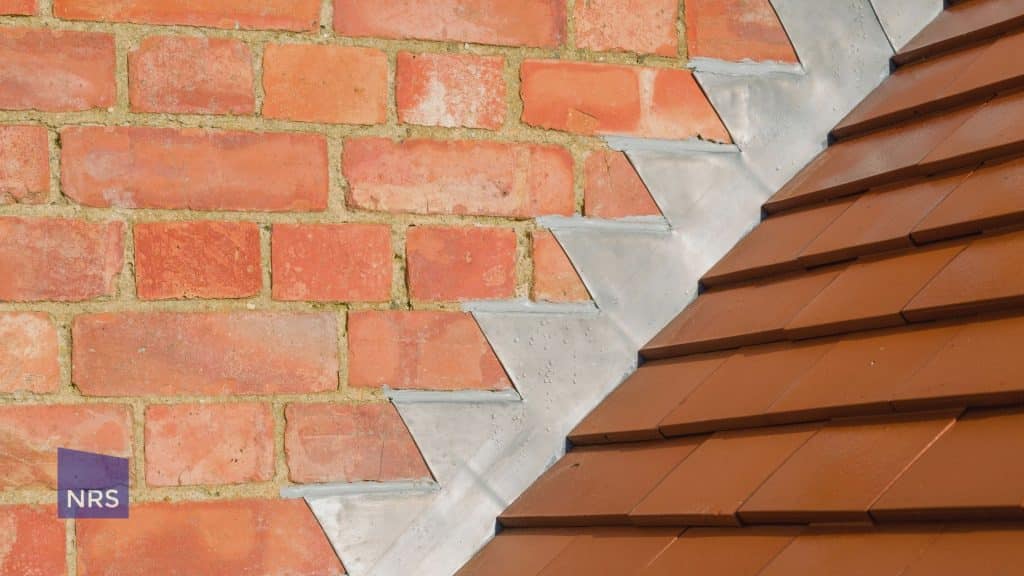
Lead flashing is a sheet material made from lead, specifically designed to create a waterproof barrier at vulnerable intersections and joints in roofing structures. It is commonly used to seal gaps around chimneys, vent pipes, roof valleys, and areas where walls meet roofs. Its ability to mold into irregular shapes and provide a durable, watertight seal makes it a popular choice in both modern and traditional roofing projects.
Primary Purpose
The primary role of lead flashing is to prevent water penetration at critical points on a roof, ensuring the structure remains dry and protected from water damage. These vulnerable areas often include joints, intersections, and penetrations where water can easily infiltrate. Lead flashing acts as a continuous waterproof barrier, shielding the underlying building materials from rain, snow, and wind-driven moisture.
Common Locations of Lead Flashing
Lead flashing is versatile and can be applied in various locations on a roof. Common applications include:
- Chimneys: Sealing the gap between the chimney and the roof to prevent leaks.
- Vent Pipes: Creating a watertight seal around pipes that penetrate the roof.
- Roof-to-Wall Intersections: Protecting areas where vertical walls meet the roof.
- Valleys and Dormer Windows: Ensuring water is directed away from these vulnerable areas.
- Windows and Doors: Preventing water ingress in openings adjacent to roofs.
Lead flashing is prized for its long-standing reliability, having been used in construction for centuries due to its unparalleled performance in preventing water damage.
Benefits of Lead Flashing
Lead flashing remains the industry standard for waterproofing due to its exceptional properties. Here are the key benefits that set it apart from other materials:
1. Exceptional Durability
- Lead flashing can last 100 to 500 years, often outlasting the building it protects.
- It withstands extreme weather conditions, including heavy rain, snow, and fluctuating temperatures, without significant degradation.
- Unlike alternative materials, lead requires minimal maintenance, making it a cost-effective investment over the long term.
2. Resistance to Atmospheric Corrosion and Weathering
- Lead naturally forms a protective patina over time, shielding it from corrosion.
- It resists damage from UV rays, acid rain, or salt-laden air, which can degrade other materials.
- Lead can expand and contract with temperature changes without cracking, ensuring long-term performance.
3. Flexibility and Precise Fitting
- Lead is a malleable metal, enabling it to be shaped and molded to fit complex roof designs and intricate areas.
- This flexibility ensures a tight, secure seal, even on irregular surfaces or joints.
- Its adaptability makes it ideal for both traditional and modern roofing projects, as well as for repairs.
The combination of durability, weather resistance, and flexibility makes lead flashing the gold standard for roofing waterproofing materials.
Installation Requirements
Proper installation is crucial to maximise the effectiveness and lifespan of lead flashing. Below are the key requirements for successful installation:
Minimum Upstand and Lap Requirements
- Upstand:
- The flashing must rise at least 75mm vertically from the roof surface to provide adequate protection against water ingress.
- Lap Overlap:
- Each piece of lead flashing should overlap the adjacent piece by at least 100mm to create a continuous and secure waterproof barrier.
Proper Securing Methods
- Clips and Nails:
- Use specialised clips or fixing strips at intervals of 450mm or at least one fixing per step for stepped flashings.
- Mortar Joints:
- Embed the lead flashing at least 25mm into the masonry, ensuring a secure hold and long-term stability.
Importance of Professional Installation
While lead flashing may seem straightforward to install, professional expertise is recommended for the following reasons:
- Proper Handling: Lead is heavy and requires careful handling to avoid damage or injury.
- Technical Precision: Professionals ensure correct upstand heights, overlaps, and secure fixings.
- Compliance with Standards: Certified roofers adhere to local building codes and safety regulations, avoiding potential legal or structural issues.
Improper installation can lead to premature failure, water leaks, and costly repairs, underscoring the need for skilled professionals.
Alternative Materials
While lead flashing remains the preferred choice for many applications, modern alternatives may be suitable in certain scenarios. Here’s how they compare:
Common Alternatives
- Aluminium Flashing:
- Lightweight and cost-effective.
- Susceptible to corrosion in coastal environments.
- Copper Flashing:
- Durable and aesthetically appealing, with a natural patina over time.
- Expensive and typically used in high-end projects.
- Stainless Steel Flashing:
- Highly resistant to corrosion and weathering.
- More expensive than aluminium but offers excellent long-term performance.
Durability and Cost Comparison
| Material | Durability | Cost Effectiveness | Best Use Case |
| Lead | 100–500 years | High (long-term savings) | All-purpose; ideal for durability and flexibility. |
| Aluminium | 20–30 years | Affordable | Budget-friendly projects. |
| Copper | 50–100+ years | Expensive | High-end architectural designs. |
| Stainless Steel | 50–100+ years | Moderate | Harsh environments (e.g., coastal areas). |
Maintenance and Safety Considerations
Regular Inspection Requirements
Inspect lead flashing twice a year, ideally in spring and autumn, to identify and address:
- Loose fixings or separation from the roof surface.
- Corrosion or wear on the flashing or surrounding roofing materials.
- Water pooling or debris buildup around critical areas.
Prompt repairs can prevent minor issues from escalating into costly damage.
Safety Regulations
Handling lead requires adherence to strict safety protocols due to its potential health risks:
- Personal Protective Equipment (PPE): Always wear gloves, masks, and goggles when handling lead.
- Hygiene Practices: Wash hands thoroughly after handling lead and avoid eating or drinking in work areas.
- Proper Ventilation: Ensure adequate airflow when cutting or soldering lead to minimise inhalation risks.
Preventing Lead Theft
Due to its value, lead flashing is occasionally targeted for theft. To mitigate this risk:
- Use anti-theft fixings and security measures like cameras or alarms.
- Mark lead flashing with unique identifiers to discourage theft and aid recovery if stolen.

Conclusion
Why Choose Lead Flashing?
Lead flashing is a time-tested solution for preventing water ingress in roofing systems. Its exceptional durability, weather resistance, and flexibility make it the gold standard for waterproofing critical roof junctions. With proper installation and regular maintenance, lead flashing can protect your home for centuries.
Key Takeaways
- Lead flashing provides unmatched durability, lasting up to 500 years.
- It offers superior resistance to corrosion and weathering, even in harsh conditions.
- Professional installation ensures compliance with standards and maximises performance.
- Regular inspections and preventative maintenance are essential for longevity.
For those seeking a reliable, cost-effective, and long-lasting solution to roof waterproofing, lead flashing remains the top choice. By investing in professional installation and ongoing care, you can ensure your roof stays protected for generations to come.