Introduction to Sedum Roofs
Understanding the Concept
Sedum roofs are a distinctive type of green roofing system. They involve the use of living plants, primarily various sedum species; grown atop a series of engineered layers placed over traditional roof structures. Instead of tiles or asphalt, these roofs are covered by a mat of hardy succulents, which thrive in the often-harsh rooftops environments. The primary aim is both functional and ecological: to create a living layer that delivers insulation, manages stormwater, and supports biodiversity, all while adding visual appeal.
Background and Increasing Adoption
The origins of green roofing can be traced back many centuries, with sod roofs found in Scandinavian architecture. However, the purposeful development and use of sedum roofs is a more modern phenomenon. Over recent decades, architects and urban planners have increasingly adopted these systems as part of sustainable building practices. The growing popularity of sedum roofs comes as cities grapple with urbanisation, climate change, and a desire for more eco-friendly infrastructure. Sedum roofs are now common in both residential and commercial contexts, particularly in urban areas where green space is limited.
Cities across the UK, Europe, and beyond are integrating sedum roofs into new developments and retrofitting older buildings. This trend reflects an increasing recognition of the environmental and economic benefits of green roofs, from improved energy efficiency to enhanced property values.
Why Sedum Plants Excel on Rooftops
Sedum plants are uniquely well-suited to rooftop applications. These succulents are adapted to survive in minimal soil and endure long periods of drought, making them resilient in conditions where many other plants would not thrive. Sedum species possess shallow, fibrous root systems, which reduces the need for deep growing substrates and keeps the overall weight of the roofing system low; a critical factor for safe roof installation.
With their dense, mat-forming growth habit and low maintenance requirements, sedums help deliver reliable coverage and weather-resistance. Their natural ability to withstand wind, sun, and variable rainfall further explains why they are the preferred choice for extensive green roof installations.
As green roofing technology evolves, the essential role of sedum plants in creating robust, effective, and sustainable living roofs stands out clearly. This lays the groundwork for understanding the unique characteristics and advantages of sedum species in more depth.
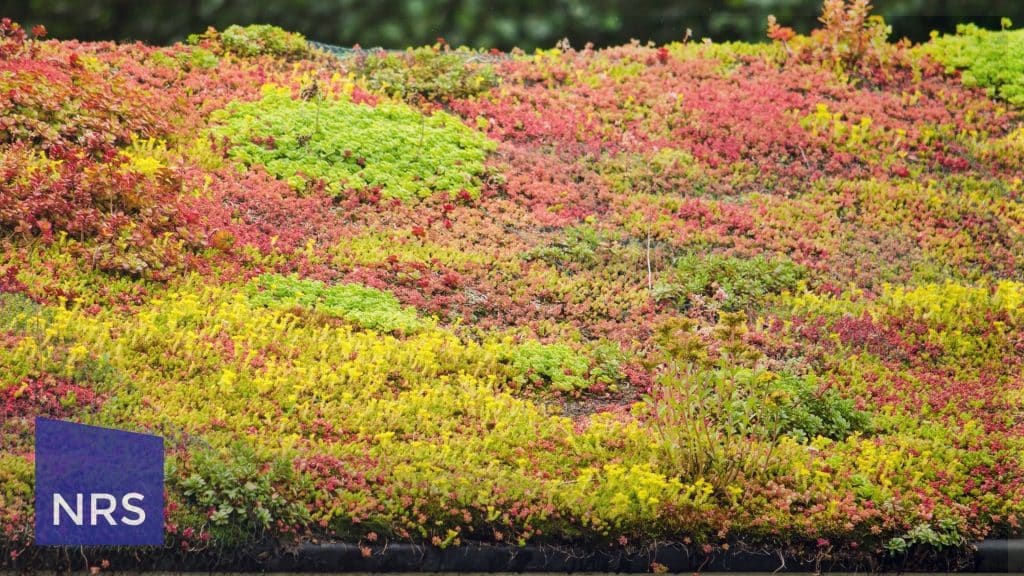
What Makes Sedum Plants Ideal for Green Roofs
Core Characteristics of Sedum
Sedum plants possess several features that make them exceptionally suited to green roof environments. One of the most important is their drought-tolerance. Sedums store water in their thick, fleshy leaves, allowing them to survive long periods without rainfall. This is vital for rooftop settings, where soil depth is limited and water can evaporate quickly due to sun and wind exposure.
Another key trait is their shallow root systems. Sedum roots rarely grow deeper than a few centimetres, meaning they can thrive in the thin layers of growing medium typically used on green roofs. This prevents pressure on the underlying roof structure, reducing the risk of leaks or structural damage.
Hardiness is also a fundamental advantage. Sedums are robust perennials, able to withstand both extreme heat and cold. Many species can survive frosts and recover well from sudden fluctuations in weather, making them reliable throughout the year.
Popular Sedum Varieties for Roofs
Not all sedums are equal when it comes to rooftop use. Several species and cultivars are especially popular due to their resilience and attractive appearance. Common choices include Sedum acre (gold moss), Sedum album (white stonecrop), and Sedum spurium (creeping stonecrop). These varieties form dense, spreading mats that help to cover the roof uniformly.
Sedum kamtschaticum and Sedum reflexum are other widely used options. Their differing growth habits and flower colours can be combined for year-round interest, promoting biodiversity and visual appeal.
Natural Self-Sustaining Properties
Sedum plants are well known for being self-sustaining in challenging environments. Their waxy leaf surfaces minimise moisture loss, while their slow growth rate reduces the need for frequent maintenance. Sedums can thrive in nutrient-poor substrates and often self-propagate, filling in gaps and reducing bare patches over time.
These plants are also resistant to most pests and diseases. Their robust nature reduces the need for chemical treatments or interventions, supporting a more natural, low-impact ecosystem on the roof.
With these qualities, sedum plants offer unique advantages for green roofs, combining low maintenance needs with reliable year-round coverage. This robust adaptability is a vital factor when planning any rooftop greening project.
The Layered Construction of a Sedum Roof
A sedum roof is made up of several carefully arranged layers. Each layer plays a unique role in protecting the building and supporting plant growth. Understanding this structure is vital for designing and maintaining an effective sedum roof.
Essential Layers and Their Functions
A typical sedum roof includes the following layers, from the roof deck upwards:
- Waterproofing membrane: This is the critical first layer. It lies directly on the roof structure. Its main purpose is to prevent water from penetrating the building. A high-quality membrane is essential to stop leaks and water damage over time.
- Root barrier: Sedum roots are not aggressive, but a root barrier is still added above the waterproof membrane. This extra layer stops roots from penetrating and damaging the waterproofing, ensuring the roof remains watertight.
- Drainage layer: This lies above the root barrier. It collects excess water and channels it away from the roof. Effective drainage prevents waterlogging, which can lead to root rot and structural damage.
- Filter fabric: A filter fabric sits above the drainage layer. Its function is to keep the growing medium in place while allowing water to drain through freely. It prevents fine particles from blocking the drainage system.
- Growing medium: Unlike regular soil, the substrate for sedum roofs is lightweight. It must be able to retain some moisture but also drain well. Common materials used include crushed brick, perlite, sand, and a small amount of compost. The typical depth ranges from 5 to 15 centimetres, depending on the roof design.
The Importance of Each Layer
Every layer has a crucial role. The waterproofing and root barrier protect your building. The drainage and filter layers manage water flow and keep the system functioning well. The growing medium supports sedum plants by holding nutrients and water, while also being light enough not to overload the roof.
Together, these layers create an environment in which sedum plants thrive with minimal intervention, making for a practical and sustainable rooftop solution.
Types of Sedum Roof Systems
Extensive and Semi-Intensive Sedum Roofs
Sedum roof systems are commonly classified as extensive or semi-intensive, depending on the depth of the growing medium and range of plant types they support. Extensive sedum roofs have a shallow substrate layer, typically less than 150 mm deep, making them lightweight, around 30 kg per square metre when fully saturated; ideal for covering large, flat or gently sloping roofs. These systems use low-growing sedum species, grasses, or mosses, and are renowned for their minimal maintenance and irrigation requirements.
Semi-intensive sedum roofs incorporate a deeper substrate, which supports a broader selection of plants such as herbs, grasses, flowering species, and small shrubs. This increased depth usually ranges from 100 mm to 200 mm and consequently, the weight is much greater. The richer growing conditions foster higher biodiversity and aesthetic value, but also mean increased maintenance, planting options, and load-bearing requirements for the building structure.
Modular Trays vs. Blanket or Mat Systems
Sedum roofs can also be installed using different system formats. Modular tray systems utilise pre-vegetated, interlocking trays containing all necessary components: drainage, substrate, and mature sedum plants. These trays are self-contained and can quickly cover a roof of any shape or size, allowing for straightforward installation, removal, and repair. They offer instant visual impact and are less sensitive to wind uplift due to their stable form.
Conversely, blanket or mat systems consist of rolls of pre-grown sedum laid over the installed roof layers. While mats require a team for handling, they provide a continuous covering and can establish rapidly. These systems are often used for extensive roofs, delivering a cost-effective solution.
Key Considerations When Selecting a System
When choosing an appropriate sedum roof system, consider the following:
- Structural Load: Ensure your roof can support the wet weight of the chosen system, especially for deeper semi-intensive installations.
- Roof Pitch and Drainage: Check the minimum slope required for water runoff and safeguard against excess water retention.
- Accessibility and Maintenance: Extensive roofs suit areas with limited access and minimal ongoing care; semi-intensive systems require greater upkeep.
- Desired Aesthetics and Biodiversity: Semi-intensive systems allow for more visual and ecological diversity.
- Installation Preference: Modular trays offer rapid, flexible installation; mats provide seamless coverage.
Selecting the right sedum roof type ensures long-term roof health, sustainability, and visual appeal without compromising building safety.
Environmental Benefits of Sedum Roofs
Enhanced Stormwater Management and Drainage
Sedum roofs excel at retaining rainwater and slowing its runoff. The specialised layers and the succulent nature of sedum plants create a surface that absorbs significant amounts of rainfall. This process reduces the immediate demand on drainage systems during storms and helps to lower the risk of localised flooding. Excess water gradually filters through the growing medium and drainage layer, rather than running off instantly as happens with traditional roofing. By intercepting and managing rainfall, sedum roofs play a crucial role in sustainable urban water cycles.
Reducing Urban Heat and Improving Air Quality
By covering conventional roofing materials, sedum roofs intercept and reflect sunlight. Consequently, less heat is absorbed into buildings and surrounding areas, helping to reduce the urban heat island effect. The cooling impact extends to the building itself, which can experience more stable internal temperatures during hot weather, potentially lowering air conditioning use. Sedum plants also play a role in air filtration. Their leaves can trap dust and capture airborne pollutants, contributing to improved local air quality. The cumulative impact at city scale can be significant, especially across dense urban environments.
Supporting Biodiversity and Wildlife Habitats
Sedum roofs provide vital green spaces in cities, where natural ground habitat is often scarce. The dense mats of sedum and the microclimates established by varying substrate depths encourage the presence of insects, including bees and butterflies. These pollinators benefit from the availability of flowers, helping neighbouring green areas thrive. In turn, small birds and other urban wildlife may visit or nest in these green roofs, using them as stepping stones across developed landscapes. Even a shallow sedum roof can improve the ecological connectivity within cities.
Sedum rooftops, therefore, offer more than just practical roofing; they support living systems and healthy communities. Building owners can expect these green spaces to benefit not only their properties, but also their wider urban environments.
Seasonal Maintenance Requirements
Spring and Autumn Care
Successful sedum roof maintenance relies on regular attention. In spring and autumn, basic tasks help keep the system healthy. Begin with a gentle clearing of leaves and debris. This prevents blockages in drainage outlets and minimises excess weight. Regular weeding is crucial, remove invasive grasses and any plants not part of the original sedum mix. This step preserves the intended look and function of the green roof.
Fertilising should be done sparingly, usually once a year in spring or early autumn. Use a low-nitrogen, slow-release fertiliser suited for sedums. This supports strong growth without encouraging excessive foliage, helping to maintain their drought-tolerance. It is important not to over-fertilise, as this can promote shallow root growth and lead to increased maintenance needs.
Watering Protocols in Dry Periods
Though sedum roofs are designed to withstand drought, prolonged dry spells may stress the plants. During extended periods without rain, especially in the first year after installation, occasional deep watering can help. Aim for infrequent but thorough watering, allowing the growing medium to dry between sessions. Overwatering encourages root rot, so it is preferable to watch for wilted leaves or widespread discolouration before watering.
Once established, mature sedum roofs often require only minimal supplemental watering. However, keep a close watch during heatwaves or unusually dry spells, particularly on exposed or sloped roofs.
Troubleshooting Common Issues
Despite their resilience, sedum roofs may face occasional problems. Drainage issues will usually present as water pooling or yellowing plants. Regular inspections ensure that drainage outlets are clear and the substrate remains free-draining.
Bare patches may develop due to foot traffic, animal activity, or competition from weeds. Repair these by infilling with new sedum cuttings or plugs. Early intervention keeps the roof both attractive and functional.
Finally, keep an eye on plant health. Watch for signs of pests, disease, or persistent thinning. Removing damaged material and replanting as needed helps the sedum canopy recover quickly.
These seasonal tasks are straightforward but essential. When done regularly, they help the roof support plant health, visual appeal, and environmental function year-round.

Conclusion: Is a Sedum Roof Right for Your Project?
Reviewing Key Benefits and Considerations
Sedum roofs offer tangible benefits for anyone aiming to create a more sustainable building. These green roofs retain stormwater, reduce urban heat, and provide habitats for wildlife, improving biodiversity in urban spaces. They can lower the temperature of roof surfaces by 30–40%, reduce energy usage inside buildings, and extend the lifespan of roofing materials, sometimes lasting over 40 years.
For many, the practical appeal of sedum roofs is in their low maintenance requirements and their ability to flourish in harsh rooftop conditions. Once established, sedum systems typically only need occasional watering in dry periods and limited seasonal tending. However, there are some important factors for potential adopters to weigh:
- Structural implications – Sedum roofs are heavier than standard roofs and may require reinforcement, which can mean greater upfront costs.
- Initial investment – The installation cost is higher than traditional flat roofs, but ongoing savings in energy and maintenance may offset this over time.
- Site conditions – Sunlight, rainfall, and local climate will guide the choice of roof system and plant varieties.
Sedum Roofs in Sustainable Architecture
Sedum roofs turn unused overhead spaces into functional, living parts of the built environment. They help reduce cities’ environmental footprint while supporting biodiversity and providing green respite within dense urban settings. Considering their long-term rewards, sedum roofs can offer compelling value ethically, ecologically, and even economically.