Introduction to Roof Lighting Solutions
The Value of Natural Light at Home
Natural light plays a vital role in creating healthy, welcoming residential spaces. Exposure to daylight supports physical and mental well-being, as it helps our bodies regulate important functions like sleep patterns, mood, and even vitamin D production. Studies have linked access to daylight in the home with improved sleep quality, higher mood, and a greater sense of well-being. In contrast, a lack of natural light can disrupt our circadian rhythms, contributing to feelings of lethargy or depression, and even affecting physical health.
Rooflights, skylights, and roof windows bring natural light into your home, with unique features for each option. If you’re in Brighton, our team offers Brighton roofing services to help you choose and install the perfect solution.
An Overview of Roof Lighting Options
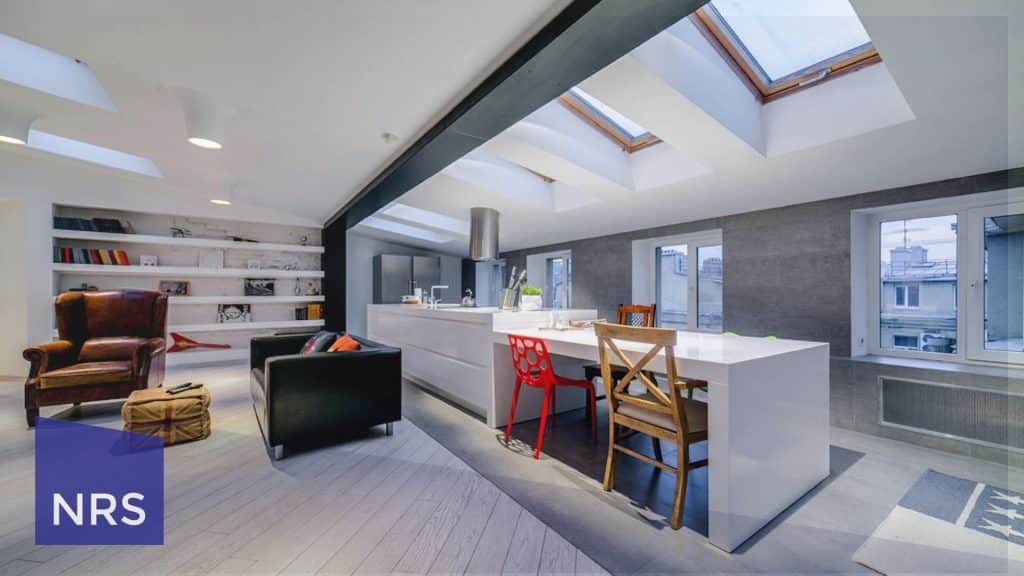
To maximise natural light, many homeowners turn to roof lighting. There are three main types used in residential construction: rooflights, skylights, and roof windows. Each of these options introduces sunlight directly from above, transforming dark rooms into bright, airy environments and making spaces feel larger and more inviting.
- Rooflights are typically glazed panels integrated into flat roofs. They can create a striking feature while letting daylight reach interiors that standard windows cannot.
- Skylights are generally installed on pitched roofs. They come in a variety of forms, including fixed panels or units that open for ventilation. They can offer clear sky views and elevate the character of a space.
- Roof windows are designed to be installed in-line with the slope of the roof. They serve as both a natural light source and, depending on the type, an operable window for fresh air.
Key Differences and Benefits
Each type of roof lighting has its own characteristics. Rooflights are unobtrusive and ideal for flat roofs; skylights offer maximum daylight and can provide sky views; roof windows combine light and ventilation, often functioning as regular windows with added benefits. Selecting the right option involves considering your roof type, required functionality, and design preferences.
What Exactly is a Rooflight?
Understanding Rooflights
A rooflight is a glazed unit designed to fit within a roof, most commonly a flat roof. Its main function is to increase the amount of natural sunlight entering a space, transforming rooms that might otherwise feel dark or enclosed. Rooflights have become an effective solution for bringing daylight to areas like extensions, lofts, or spaces away from exterior walls.
Unlike many traditional windows, rooflights often sit flush or slightly above the line of the roof, ensuring they do not significantly change the structure’s silhouette. This means they can be an unobtrusive addition suited to modern and traditional properties alike.
The Role of Kerb Systems
Crucial to a successful rooflight installation is the use of a kerb system. The kerb acts as a raised frame or upstand, typically set onto the flat roof surface to lift the rooflight unit above the roofing membrane. This design works to divert rainwater away from the glazed area, reducing water pooling and enabling efficient drainage. The kerb not only provides support but also helps prevent leaks and improves thermal performance by forming a weatherproof barrier around the opening.
Design and Aesthetic Options
Rooflights come in a wide array of styles, catering to differing needs and design ambitions. Fixed flat rooflights are popular for their minimalist, frameless appearance, offering maximum daylight with minimal visible structure. Framed rooflights, in contrast, add structural support and durability, along with improved weather resistance and thermal efficiency. Lantern and pyramid rooflights stand proud of the roof, creating a striking architectural feature and channelling light from multiple angles. Bespoke options enable homeowners to tailor the size, shape, and glazing to fit individual spaces and desires.
The choice of rooflight can impact both the exterior and interior look of a home, making it essential to balance natural light needs with visual harmony.

Understanding Skylights
What Defines a Skylight?
A skylight is a window or transparent structure set into the roof of a building, designed to admit natural light into interior spaces. Generally, skylights are made from glass or acrylic, serving as both a source of daylight and, in some cases, ventilation. Positioned on the roof, they are particularly effective in areas where traditional windows cannot provide sufficient light, enhancing both brightness and spaciousness within the home.
Installation and Design: Key Differences
While skylights and rooflights often seem interchangeable, the distinction mainly lies in installation and design. Skylights are typically suited to pitched roofs, where they are fitted in the plane of the roof or stand slightly proud. Their frames can be more visible from outside compared to the low-profile, flush finishes of rooflights on flat roofs. This can contribute to a distinct architectural statement, especially on more traditional roofs.
Types of Skylights
Skylights are available in several types to accommodate different lighting and ventilation needs:
- Fixed Skylights: These are stationary and designed solely to let in natural light. They don’t open, making them ideal for illuminating spaces without the need for airflow, such as stairwells or attics.
- Ventilating Skylights: These can be opened, manually or electronically, to allow fresh air to flow into the home. They’re particularly useful in kitchens and bathrooms where moisture or odours can accumulate.
- Tubular Skylights: Also known as sun tunnels, these use a rooftop dome and a highly reflective tube to channel daylight into compact or windowless areas like hallways and closets. They offer an efficient way to maximise light where a full-size skylight isn’t practical.
Understanding the distinct properties and installation of skylights helps homeowners choose the solution that best suits their needs, paving the way for a closer look at another leading roof lighting option.

Roof Windows Explained
What Sets Roof Windows Apart
A roof window is a glazed opening installed flush and in line with the pitch of a sloped roof, often used in lofts, attics, or rooms just beneath the roof. Unlike rooflights or skylights, which can sit above the roof surface or on kerbs, roof windows integrate smoothly with the surrounding roof tiles. This positioning makes them visually subtle and creates a seamless external finish.
Installation and Design Characteristics
Roof windows must follow the same angle as the roof slope and are generally installed on pitches of 15° or more. They are rarely suitable for flat roofs. This “in-plane” installation offers the appearance and function of a vertical window, only in a sloped setting. As a result, roof windows can often be easily accessed for cleaning or operation, and some can double as secondary exits or escape routes.
Typical roof window sizes tend to be smaller than flat rooflights, given the structure and limitations of supporting the roof’s load. Unlike kerb-mounted systems, roof windows use flashing kits and weatherproof details that integrate with the roofing materials for a watertight fit.
Opening Mechanisms and Functionality
A hallmark of roof windows is their ability to open and close fully, providing both daylight and ventilation. The most common mechanisms are:
- Centre pivot: The window swivels around a central axis, making it simple to operate, clean, and secure.
- Top hung: These windows open outward from the top, providing unobstructed views and enhanced ventilation.
- Side hung or balcony: Some innovative models open to create a small balcony or act as roof access.
Many models can be operated manually using a rod or handle. Screens and blinds can also be added for comfort and privacy.
Installation Considerations
Comparing Installation Methods
The process of installing rooflights, skylights, and roof windows varies according to the type of roof and the product chosen. For flat roofs, rooflights are most common. These units are typically installed onto a kerb or upstand, which raises the rooflight above the line of the roofing membrane. This kerb is important. It ensures any rainwater flows away from the glazing, reducing the risk of leaks and promoting durability. Timber, insulated, or proprietary kerb systems are used, depending on building requirements.
Skylights can be installed on both flat and pitched roofs, but installation practices will differ. On flat roofs, similar to rooflights, kerb-mounted installation is standard to prevent water accumulation. On pitched roofs, skylights are usually fitted with purpose-made flashing kits that help channel rainwater away.
Roof windows are designed for pitched roofs and must be fitted in-plane with the roof’s slope, generally at angles above 15°. Unlike rooflights, roof windows do not require an upstand; instead, they are mounted flush with the roof line. Flashings specific to roof coverings, such as tiles or slates, ensure a watertight finish. There are two main opening styles for pitched roof windows: centre pivot and top hung, each suiting different access and ventilation needs.
Considerations for Different Roof Types
Flat roofs rely on raised kerbs or upstands, while pitched roofs use in-plane mounting with specialist flashing to maintain weatherproofing. It’s essential to consider the roof’s load-bearing capacity, especially on flat roofs where pooling water or added roof features may require structural checks.
Benefits of Natural Light Through Roof Openings
Health Advantages of Natural Light
Bringing daylight into your home through rooflights, skylights, or roof windows offers significant health benefits. Sunlight is important for vitamin D production, which is essential for healthy bones and immune function. Exposure to natural light also helps regulate your circadian rhythm, the body’s internal clock that influences sleep patterns and overall well-being. Rooms filled with daylight can help you feel more alert during the day, leading to better sleep at night.
Energy Efficiency and Cost Savings
Inviting sunlight indoors can reduce the need for artificial lighting during daylight hours. By harnessing this free source of light, homeowners often see reductions in electricity bills. In cooler months, sunlight entering through roof openings can also contribute passive solar gain, helping to warm interior spaces and further decrease heating requirements. Choosing the right roof lighting design for your space maximises these potential energy savings without sacrificing comfort.
Psychological and Mood Benefits
The presence of daylight indoors is closely linked to positive mood and enhanced productivity. Natural light has been shown to boost serotonin levels, promoting feelings of contentment and calm. Bright, welcoming spaces can make interiors seem more spacious, open, and inviting. For those spending significant time at home, especially in work or study areas, well-lit spaces foster concentration and reduce eye strain.
Improved access to natural light is a simple yet effective way to create a healthier, more enjoyable living environment. Exploring how to enhance your home’s illumination is an important step towards achieving both comfort and cost efficiency.

Planning Permission and Building Regulations
When is Planning Permission Needed?
Adding rooflights, skylights, or roof windows to your home is often considered “permitted development.” This means you do not normally need to apply for planning permission, provided certain rules are followed. For example, any roof light should not project more than 150mm above the existing roof plane to remain within permitted development limits. The installation should also not rise above the highest part of the roof. However, local restrictions, conservation areas, or previous alterations may remove these rights. If the planned work does not meet national permitted development guidelines, then you need to apply for full or householder planning permission. It’s always wise to check with your local planning authority first, as rules and restrictions can vary.
Understanding Permitted Development Rights
Permitted development rights cover a wide range of changes for most dwellings. For roof alterations, such as fitting skylights or roof windows, permitted development usually applies if the positioning, size, and materials align with set standards. Restrictions may apply if your home is a flat, located in a designated area, or if permitted development rights have previously been removed.
Building Regulations for Roof Openings
Regardless of whether planning permission is needed, all rooflights, skylights, and roof windows must comply with building regulations. These rules ensure your installation is safe, structurally sound, weatherproof, and energy efficient. Key considerations include thermal performance, fire safety, and ventilation. Installations are expected to meet minimum insulation standards and should not reduce the existing level of performance of the roof structure.
Getting the right permissions upfront helps your project run smoothly and avoids issues later. Deciding which roof lighting solution fits your home also depends on several specific factors.
Choosing the Right Option for Your Home
Assessing Your Home’s Needs
Selecting between rooflights, skylights, and roof windows starts with your roof type. For flat roofs, rooflights are the preferred choice. They sit proud of the roof surface and maximise daylight in areas such as kitchen extensions or hallways. Pitched roofs are suited to skylights and roof windows, both of which can be fitted in-plane with the roof for a flush finish. The room’s purpose also plays a role, consider the size and intended use of the space when choosing the glass area and opening type.
Matching Solutions to Spaces
Rooflights work well in modern, open-plan rooms where abundant natural light is desired. They are often non-opening and ideal when ventilation is not required. Skylights, particularly those that open, are great for lofts, bathrooms, and attics where fresh air matters. Tubular skylights are a clever solution for small rooms or corridors with limited roof space, providing focussed light without major structural changes.
Roof windows are best for pitched roofs, offering both light and functional ventilation. They are especially beneficial in converted lofts, bedrooms, or living areas where access for cleaning and regular operation is important.
Considering Aesthetic and Building Constraints
Your home’s architectural style should also inform your decision. Frameless or minimalist glass options suit contemporary extensions, while roof lanterns provide a striking feature for larger spaces. Always consider planning rules, as some alterations may be restricted in conservation areas or listed buildings. Compatibility with building regulations, structural support, and energy efficiency must also be reviewed to ensure long-lasting performance.
Finding the right fit requires balancing design aspirations, functional needs, and practical constraints. Taking these factors into account will help you create bright, comfortable spaces that enhance your home for years to come.

Conclusion: Bringing Light into Your Home
Distinguishing Between Options
Bringing natural light into your home can transform the feel of a space. Rooflights, skylights, and roof windows each offer a unique way of achieving this. The main distinctions come from how and where they are installed. Rooflights suit flat roofs, often installed with a kerb to prevent water pooling and ensure proper drainage. They come in discrete, modern styles, which often blend seamlessly into their surroundings.
Skylights are usually intended for both flat and pitched roofs. They can be fixed or openable, as well as tubular for compact areas. This flexibility means they can be tailored for different spaces, providing an abundance of light and, in some cases, ventilation. Meanwhile, roof windows must be installed in-plane with a pitched roof, opening outward to deliver controlled ventilation and light exactly where needed.
Guidance for Decision-Making
Choosing the right option depends on many factors. Consider your roof type, the function of the room, insulation requirements, and your preferences for design. For rooms with flat roofs or minimal pitch, rooflights are generally the best fit. Skylights offer flexibility, but keep in mind issues like potential for heat gain and glare, especially if shading is not included. Roof windows, with their ability to open wide, are excellent for attic rooms or loft conversions where air circulation is important.
Check local planning regulations and building codes to ensure your project will be compliant. Thoughtful placement is equally crucial, orientation and size can influence both comfort and energy efficiency.
Collaborating with Professionals
Consulting with an architect or experienced installer will help you tackle challenges like waterproofing, maintenance, and aesthetics. Professionals can recommend specific products that address concerns about heat loss, cleaning, and installation methods, ensuring your project balances beauty, function, and compliance.
Flooding your home with natural light not only brightens everyday living but brings proven benefits for wellbeing and sustainability. By selecting thoughtfully and working with experts, the outcome can truly transform your space.